National


Water utilities rely on a mix of engineered and natural systems to deliver wastewater and drinking services, as well as effectively manage stormwater.
Utilities are very familiar with engineered systems—water mains, sewer pipes, pumps, transmission lines, and treatment plants. The role natural systems play in managing water is less familiar.
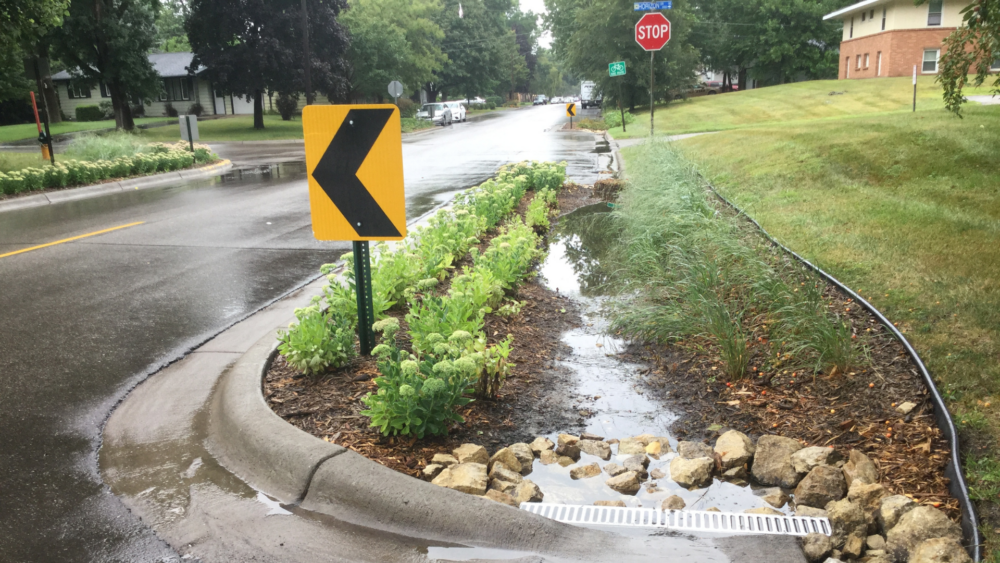
Natural systems include forested watersheds, riparian corridors, aquifer systems, wetlands, green stormwater infrastructure, and other natural (or nature mimicking) features. These “natural assets” can protect water quality, regulate water supply, manage stormwater, and reduce flooding in ways that engineered systems cannot do alone. They can also provide a wide range of additional environmental and community benefits, such as carbon sequestration, wildlife habitat, urban heat island mitigation, recreational access, and improved quality of life.
This webinar will explain how water utilities can incorporate natural assets into their asset management protocols, quantify the value natural assets provide to water systems, and invest in natural assets alongside all other water infrastructure. Presenters will also highlight technical assistance available to small, rural, and tribal water systems interested in investing in natural assets.
This webinar has four objectives:
- Demonstrate that natural assets are part of water systems and can be effectively incorporated in infrastructure management and investments.
- Feature how utilities can leverage State Revolving Fund loans to pay for natural asset investments.
- Provide insight on the technical assistance available to water utilities to secure funding for natural asset projects.
- Answer participant questions about natural assets and how to manage, value, and invest in this vital water infrastructure.