Milwaukee, WI
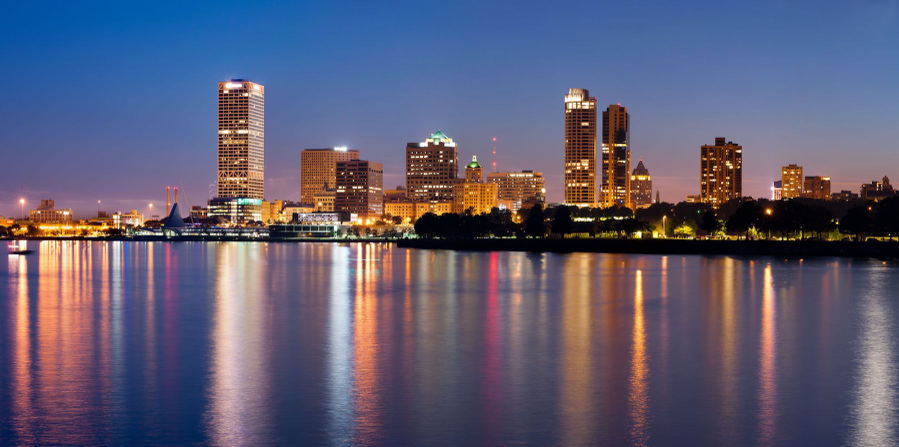
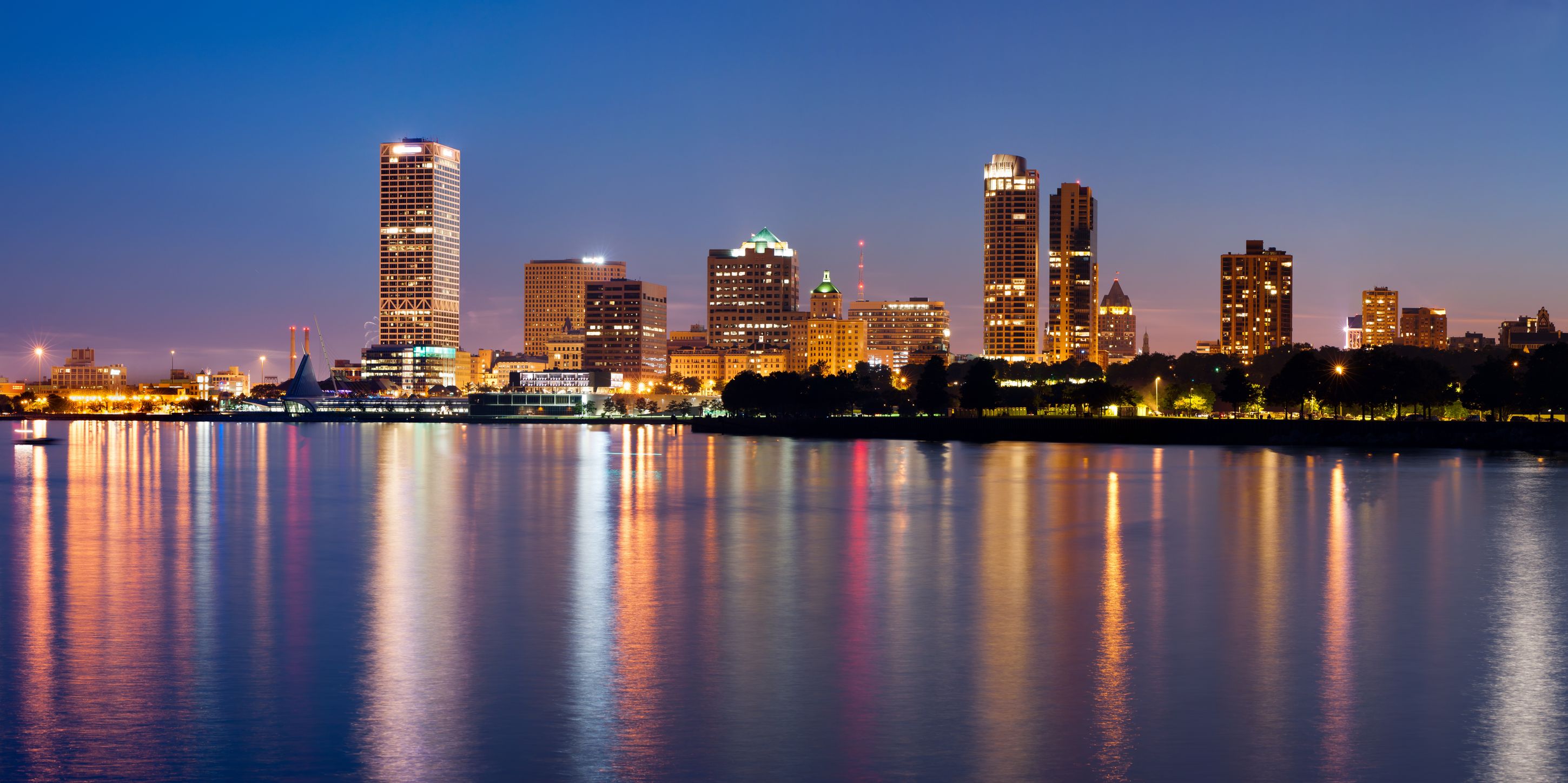
Milwaukee sits on the shores of Lake Michigan at the confluence of 3 rivers: the Menomonee, the Kinnickinnic, and the Milwaukee. One inch of rainfall amounts to 7.1 billion gallons of water, creating huge stormwater and sewer challenges for the community. The Milwaukee Metropolitan Sewerage District (MMSD) has been a national pioneer in investing in green infrastructure, alongside its conventional “gray” systems, to prevent sewer overflows and basement backups while also protecting local waterways from polluted runoff.
MMSD manages two aging sewer systems—a combined system constructed over 130 years ago, and a separate system built following World War II. The agency updated these systems throughout the 1990s, installing over 19 miles of tunnels 300 feet below ground. Ratepayers invested ~$4 billion in a deep tunnel system able to store up to 521 million gallons of stormwater. Despite these massive investments and time-intensive infrastructure upgrades, it was clear that more was needed and in the early 2000s, MMSD embarked on a remarkable approach to upscale green stormwater infrastructure across the community to provide additional resilience, security, and water quality benefits.