Project

Enhancing Participation in Water Efficiency Programs for Latinx & Spanish-Speaking Residents

WaterNow Project

Location pin icon Santa Rosa, CA

Situated in drought-prone Sonoma County, California, the City of Santa Rosa faces water uncertainty and scarcity. The City encourages water use efficiency with rebate and incentive programs, technical support, and consumer education. But it was concerned that these efforts were not reaching residents of Latinx heritage, who make up over 30% of Santa Rosa’s population.

WaterNow partnered with the City to analyze the participation of the City’s Latinx communities in its water use efficiency programs and to identify strategies to increase participation. This project provides a framework for other communities seeking to ensure that they reach and engage all members of their communities.
*This project description uses the term Latinx when discussing Latin American or Hispanic identifying community members, to be inclusive of all genders, with the understanding that this label may not best fit all community members in this group. An exception to this is in the use of Census data, with the terms “Hispanic / Latin American by race” or “by origin”. We have retained the original Census terms when discussing Census data.

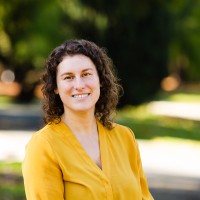
Claire Nordlie

Senior Water Resources Planner, Santa Rosa Water

“Santa Rosa Water’s project on Spanish Language Water Use Efficiency Program Enhancements would not have been completed without the dedication of WaterNow. Santa Rosa Water staff had long desired a project to research the frequency and saturation of water use efficiency program uptake in our Spanish speaking community but did not have the internal expertise and capacity to pursue this… The WaterNow team was helpful, insightful, hard-working and produced excellent work.”

Impact

The project analysis found that:

  • Most of Santa Rosa’s Spanish-speaking neighborhoods were participating in the City’s water use efficiency programs at about half of the citywide participation rate.
  • Bringing participation in these neighborhoods up to the city-wide level would save an additional 11 acre-feet per year city-wide.

Based on these findings, in June 2026 the City launched a new program in partnership with a local NGO, Latino Service Providers aiming to inspire youth (ages 18–25) to pursue water sector careers and serve as community ambassadors.

APPROACH

The project team explored Latinx participation in the City’s efficiency programs, including bilingual customer surveys which drew 800 responses, and an analysis of program participation across the City’s neighborhoods and demographics, considering language(s) spoken, median income, renter and homeownership status, and identification as Hispanic or Latino. The team also interviewed utility staff and local community organizations. Additionally, conversations with utility providers outside of the area helped identify successful strategies for outreach and communication tailored to Spanish-speaking community members.

This work informed a suite of recommendations on how to increase program awareness, build community trust, and reduce participation barriers. These include:

  • Working with community anchors like schools and churches.
  • Updating the City website’s terminology and navigation to make it more intuitive.
  • Dedicating funds to reaching Latinx and Spanish-speaking community members.
  • Broadening outreach to Spanish-speaking local media outlets. For example, following the project the City participated in a local Spanish-language radio program, Nuestra, on a segment discussing how residents can save money by addressing water leaks.

Takeaways

  • The messenger matters, so choose wisely: Partner with trusted local organizations and/or engage with customers through surveys and focus groups to develop effective messaging.
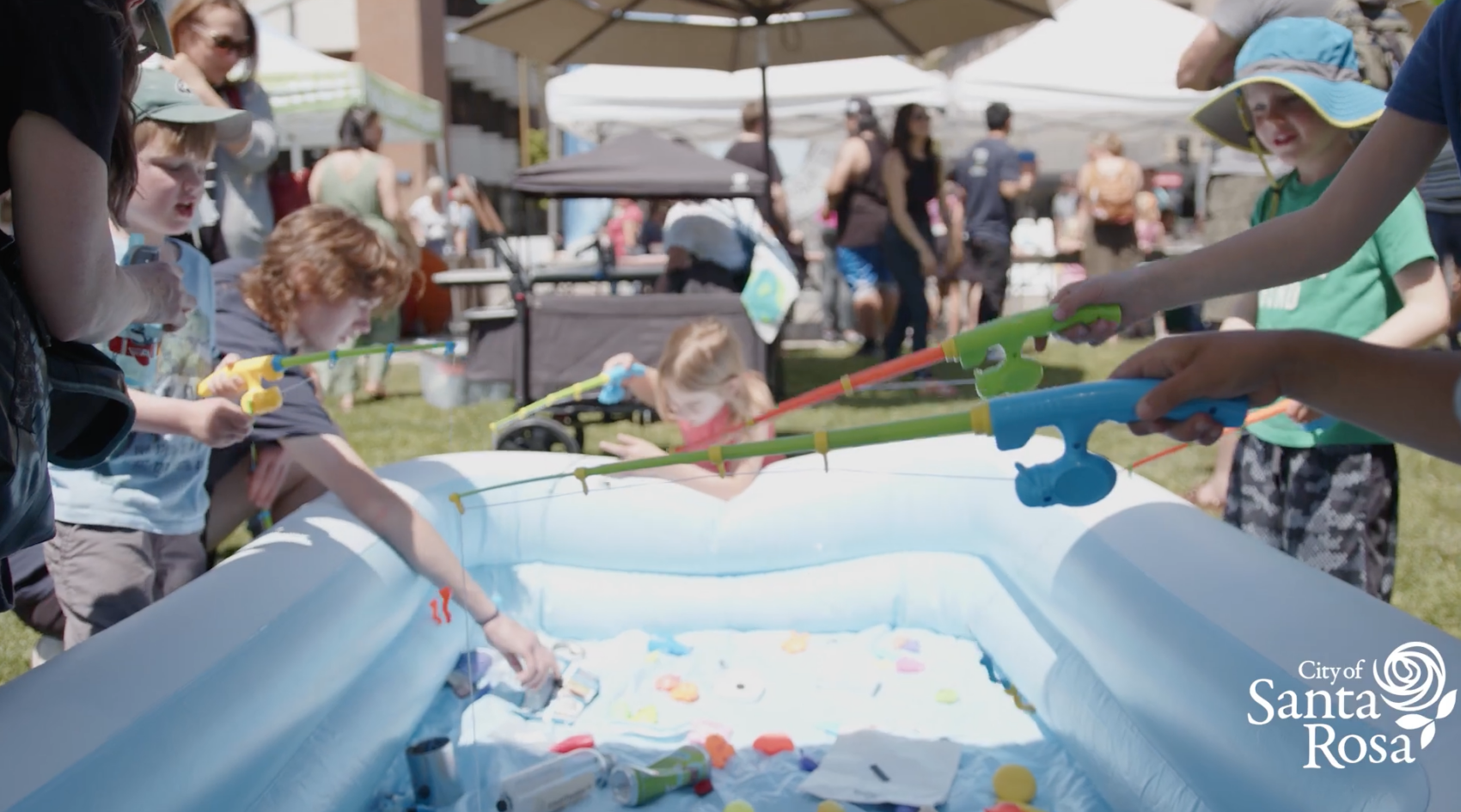
  • Meet people where they are: Hold events with organizations working in the communities the utility wants to reach. Share information in spaces the community engages with in their day-to-day lives, such as libraries or grocery stores.
  • Recognize that community outreach is an ongoing relationship, not a one-time project.
  • Make information compelling and accessible: Craft clear information on how best to save water and money. Present this information in creative, fun, and culturally relevant ways. And be sure to translate meaning and tone, not just words.
  • Dedicate consistent funds: Success depends on allocating a consistent and dedicated outreach budget.

Resources

join us

WaterNow members get free access to technical assistance, 
toolkits, training, and our network of local water leaders.