Land and Water Conservation Fund
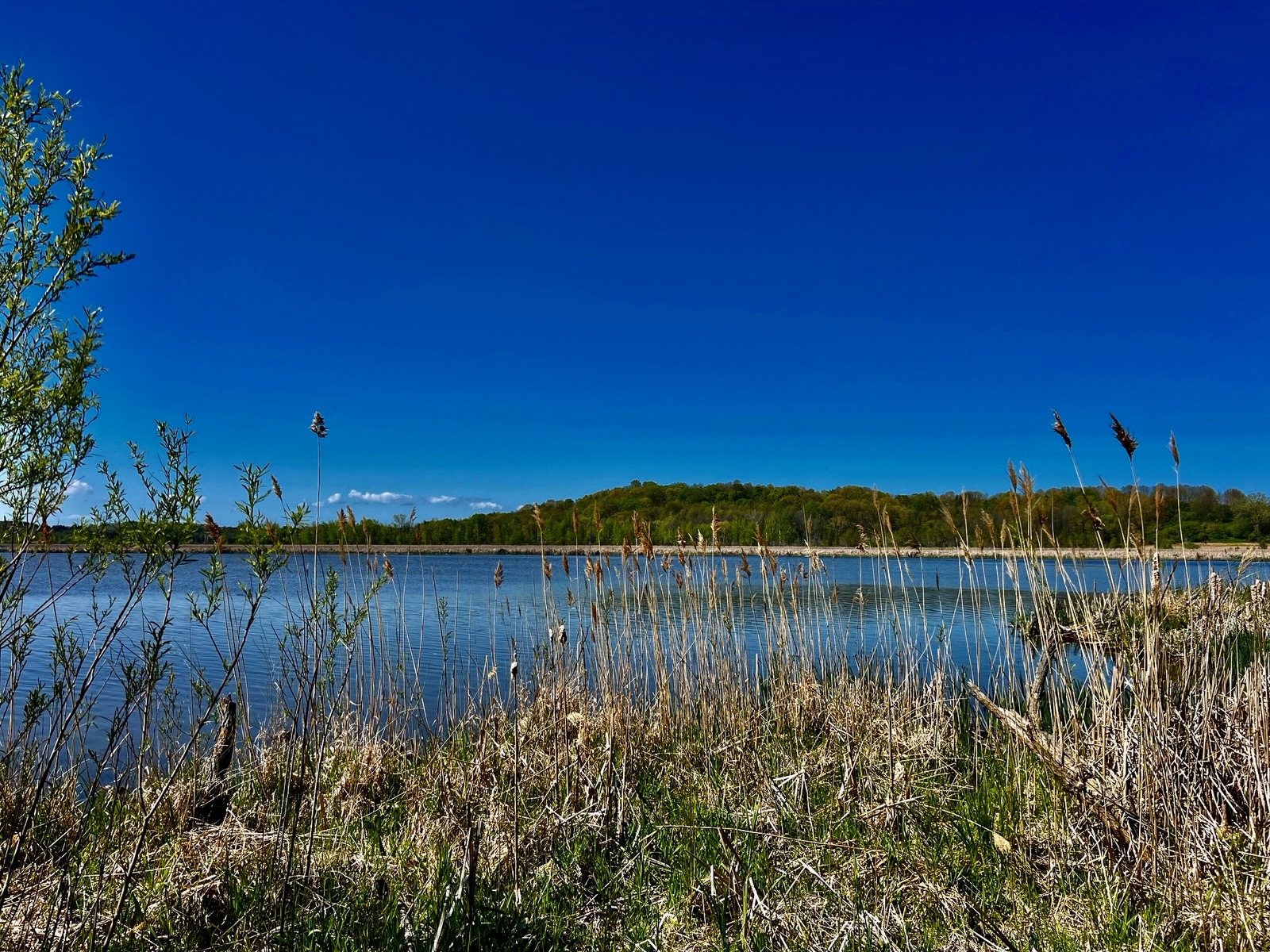
Land and Water Conservation Fund
Grant Information
-
Type:
Grant
-
Eligible Applicants:
Local Governments, Tribal Governments
-
Project Drivers:
Receation
-
Additional Goals:
Coastal Resilience
-
States:
Wisconsin
Max. Grant Award: No Maximum.
Grant Details
Created by Congress in 1964, the Land and Water Conservation Fund (LWCF) provides grants for projects that protect natural areas, water resources, and the nation’s cultural heritage, as well as projects that provide recreation opportunities.
In Wisconsin, the Department of Natural Resources administers the state’s LCWF program in partnership with the National Park Service. DNR strongly encourages applicants to contact their regional project manager as early as possible in the planning stages of a project, ideally within three months prior to submitting an application.
Priorities
WDNR’s Grant Program Guidance details LWCF funding priorities including projects that:
- Are on waterfront properties open to the public and focuses on preserving and enhancing natural wildlife and areas
- Meet the needs of urban areas
- Provide recreation opportunities for elderly, minority, disabled, and low-income populations
- Acquire land in areas with limited outdoor recreation facilities
- Provide multi-use and multi-season facilities
- Enhance or preserve natural beauty
- Are proposed by applicants which have sufficient financial resources to adequately maintain and operate the project
- Have other priority characteristics specified in law/statute/code or the LWCF Federal Financial Assistance Manual, Vol. 72
Eligibility Requirements
The following are threshold requirements that must be met to be eligible for this funding opportunity:
- LWCF projects must be specified in a local adopted and approved Comprehensive Outdoor Recreation Plan (CORP), or otherwise known as a Parks and Open Space Plan. A CORP must be updated every five years.
- The project must also be consistent with the Statewide Comprehensive Outdoor Recreation Plan (SCORP) adopted by the DNR. The SCORP identifies in-county public camp sites and access to nature walks as top needs in the state.
- Applicants must also have a current signed resolution (within the past 2 years) from the applicant’s governing board approving the project. The resolution must outline the governing board’s commitment of funding to complete the project. A sample resolution meeting these requirements can be found here.
Matching Requirements
Matching funds must be equal to or greater than the amount of the grant award, i.e., a 50% match.
Grant recipients may charge reasonable user fees (e.g. state park daily entrance or camping fee) to defray operation and maintenance costs. However, any income accruing from the property should be used for purposes that support the original grant contract. Income accruing to an area receiving assistance during the project period from a source other than the intended recreational use must be used to reduce the total costs of the project.
Typically, federal grants cannot be used to provide matching funds for other federal grants. Common allowable sources of matching funds include:
- Applicant funds, e.g., general funds, fee revenues, etc.
- Financial donations from private organizations and individuals
- Municipal labor, equipment, and materials provided by the municipal applicant
- In-kind donations of labor, services, materials, and equipment from private organizations and individuals
Eligible Costs
Eligible costs include:
- Pre-engineering costs for development projects
- Direct costs which are supported by time sheets, vouchers or similar documentation reflecting specific assignment to a project are eligible project costs
- Equipment rental at rates that not exceed the county machinery rates established annually by the department of transportation
- Actual fringe benefits paid as part of the direct labor costs claimed
- Engineering or planning fees necessary to complete eligible items, which may be recovered retroactively
Ineligible costs include:
- Construction costs incurred prior to the date of the grant award
- Purchase of equipment
- Income-generating facilities (e.g. concession buildings)
- Stand-alone maintenance facilities that do not specifically serve the grant property
- Facilities developed on property that was acquired via condemnation
- Donated labor, materials, land, or other activities which do not result in an actual expenditure by the sponsor and indirect costs are not allowable in the claim
- Buildings primarily devoted to operation and maintenance
An applicant’s eligible and ineligible costs will be further defined during the discussions with the regional program officer (see Contact info section on the sidebar).
Project Timeline
Projects that can be completed within 3 years receive priority.
Explore more LOANS & GRANTS
-
Wisconsin Recreational Trails Program
Wisconsin Recreational Trails Program
-
Wisconsin Headwaters to Coast Initiative
Wisconsin Headwaters to Coast Initiative
-
Wisconsin Coastal Management Program Grants
Wisconsin Coastal Management Program Grants