Decision support tool

Midwest
Lake Michigan Dashboard: Valuing Benefits Framework
Distributed Infrastructure
Module navigation
This section reviews the types of benefits associated with green infrastructure and coastal resilience projects and provides some initial information about methods for quantifying and monetizing the value of these benefits.
Flood Risk Reduction
Targeted GSI projects can reduce localized flooding associated with small to moderate storm events that inundate streets and cause sewer and basement backups (so-called “nuisance flooding”). Projects that provide natural barriers along the coast can reduce flooding associated with coastal rain events and wind-driven storm surge. Stream restoration projects and wide-scale distributed GSI (e.g., when integrated throughout a watershed) can alleviate riverine flooding associated with larger storm events.
Increased flood resilience can reduce damage to property, infrastructure, and environmental amenities. It also reduces adverse health risks associated with exposure to flooding and basement backups, avoids emergency response and cleanup costs, and limits the economic impacts of street or business closures from flooding.
Key Inputs to Estimate Benefits
The benefit of projects that reduce flood risk can be calculated based on the costs of these avoided impacts.
Federal agencies and others have developed well-established methods and tools for assessing avoided flood damages. These approaches are generally applicable to larger-scale riverine and coastal flooding and involve modeling to estimate the flood damage costs that will be avoided over the life of a project. Data on the depth and extent of flooding under various storm return intervals (e.g., 10-year, 100-year storm events) and information on the characteristics of the affected area (e.g., information on structures, businesses, land uses, population impacted) are necessary to run these models.
The benefits of projects that address localized or nuisance flooding can be more difficult to estimate. Smaller storm events may cause little flood-related damage without the project but can inconvenience residents and community members by causing unsafe conditions, road closures, and/or basement backups. Analysts have quantified the benefits of reductions in localized flooding based on WTP by households to avoid flood risk, avoided basement back up costs, or impacts on the value of properties affected by a flood risk reduction project. These methods require different inputs.
Another method for valuing the benefits of nature-based solutions for flood risk reduction is quantifying the avoided costs of alternative flood control options (e.g., managing flooding through gray infrastructure approaches). This method can be applied to projects that reduce larger scale flooding and flooding associated with smaller storm events.
Water Quality Improvements
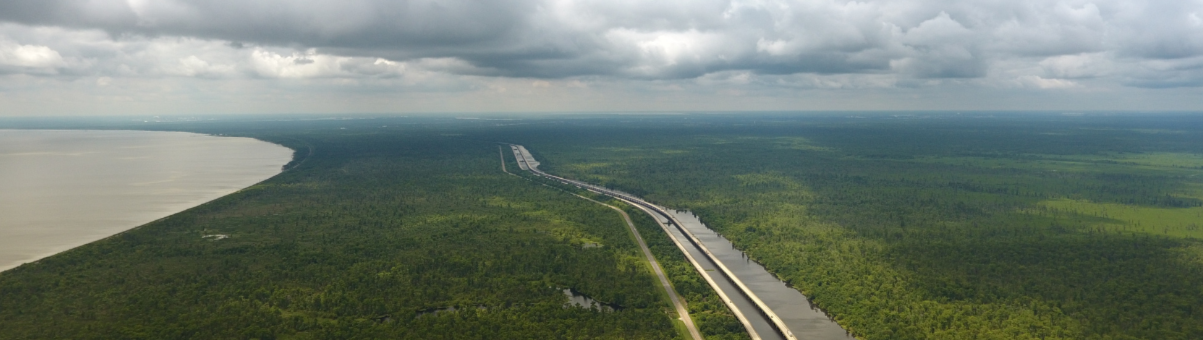
Green infrastructure and other nature-based solutions can improve water quality by filtering or reducing the volume of untreated stormwater runoff entering storm sewer systems and local waterbodies. These projects can also reduce peak stormwater flows, which can cause streambank erosion, and in cities with combined sewers, can reduce overflows that discharge untreated sewage into local waterways. These benefits in turn can result in substantial water quality and related aquatic habitat improvements.
Key Inputs to Estimate Benefits
Water quality improvements from green infrastructure and other nature-based resilience projects can be estimated based on the avoided costs of alternative water quality treatment options.
Avoided treatment costs depend on the pollutant load reductions resulting from nature-based projects, such as pounds of nitrogen, phosphorous, or total suspended solids (TSS) removed. Unit treatment cost values (e.g., $ per pound of pollutant treated at a wastewater treatment plant) can be applied to pollutant removal estimates to determine the value of total water quality benefits. When using avoided costs to estimate the water quality benefits of nature-based solutions, care must be taken to avoid double counting with any avoided infrastructure costs calculated as a flood risk reduction benefit.
The value of water quality improvements can also be estimated based on public wastewater treatment plant for higher quality rivers, streams, and lakes. Applying this method requires data on the baseline level of water quality, expected water quality improvements resulting from the project, and the scale of water quality improvements relative to water quality impairments within the local municipality/watershed.

Recreation
Green infrastructure and other nature-based solutions can increase and/or improve community recreational opportunities by adding green space and improving access to recreational amenities such as pathways, bike paths, and functioning ecosystems.
Intentionally creating parks or integrating recreational amenities into nature-based projects can provide valuable benefits for residents and visitors. Habitat improvements that attract birds and other local wildlife also provide unique recreational opportunities.
In more urban settings, green infrastructure projects that increase vegetation can enhance community aesthetics and reduce urban heat; this in turn can lead to greater participation and enjoyment of outdoor activities.
Key Inputs to Estimate Benefits
Quantifying the recreational benefits of nature-based resilience projects requires knowledge of the types of recreation available at a site, current visitation levels (if the site currently supports recreation), and a project’s ability to increase recreational opportunities, use, and enjoyment.
Recreational visits are associated with a person’s willingness to pay to participate in a recreational experience, also referred to as a direct use value. This value reflects the quality and enjoyment associated with a recreational experience, and can vary by activity type. Direct use values represent willingness to pay per visit to participate in a recreational activity.
The total value of recreation at a given site is a function of direct use values and the recreational trips (often referred to as “user days” or visitor days) taken to the site. Factors that affect visitation and/or direct use values include the type and quality of recreational amenities available at a site, the availability of similar recreational opportunities nearby, characteristics and proximity of residents, ease of access, and the aesthetic nature of the site.
Wildlife Habitat and Biodiversity
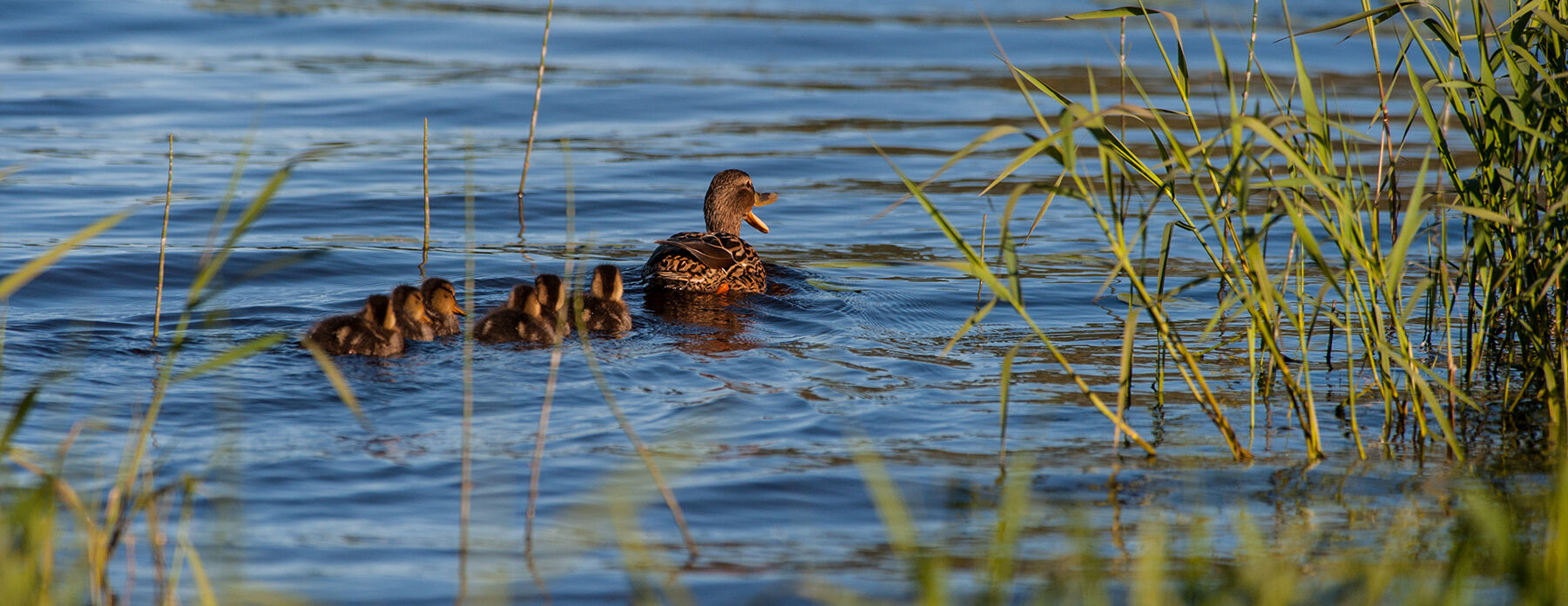
Green infrastructure and other nature-based resilience projects can provide habitat and biodiversity benefits by integrating natural elements into urban environments. Practices such as rain gardens, green roofs, bioretention facilities, and wetlands create new habitat and/or improve the quality of existing ones, offering food and refuge for a variety of species including birds, amphibians, bees, and butterflies. These installations can also enhance landscape connectivity, facilitating the movement of mobile organisms, essentially creating wildlife corridors.
By improving water quality, reducing peak flows, and recharging aquifers, green infrastructure can also support aquatic ecosystems. Aquatic habitat benefits can be valued based on household willingness to pay for water quality improvements, as described in the water quality benefits section.
Key Inputs to Estimate Benefits
The value of habitat improvements depends on the methods economists have developed for valuing “non-market” goods and services. For example, stated preference methods use advanced survey techniques to elicit estimates of willingness to pay for specified improvements in – or avoided degradation of – habitat or water quality, based on the species affected, nature of the improvements, and other local factors. Units are typically in terms of willingness to pay per household or totaled to produce total willingness to pay per acre of habitat.
The simplest approach for valuing habitat is to apply per acre values to the new or restored habitat area. This requires information on the project size/footprint, type of vegetation/land use, and applicable willingness to pay values. In some cases, a project might benefit a key species, including a threatened or endangered species. In these cases, studies may be available that report higher values for willingness to pay due to the unique nature of the site.
Carbon Reduction
Carbon dioxide (CO2) is a greenhouse gas (GHG) that contributes to rising atmospheric temperatures and climate change. Vegetation incorporated into green infrastructure and nature-based resilience projects removes CO2 from the atmosphere and acts as a sink by storing carbon in the form of biomass.
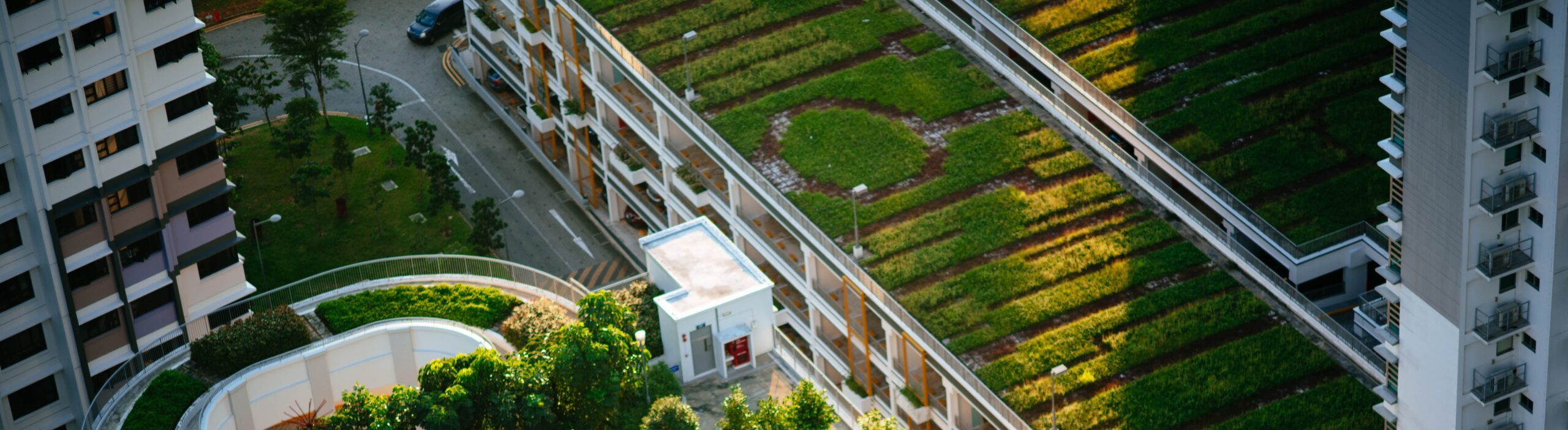
In addition, green infrastructure practices such as trees and green roofs can save energy by providing shade and insulation to buildings. In combined sewer communities, green infrastructure projects can reduce energy demands associated with stormwater pumping and treatment. This in turn reduces energy-related emissions of CO2 and other GHGs.
Key Inputs Needed to Estimate Benefits
Information on the amount of carbon sequestered by trees and other types of vegetation is necessary to estimate carbon reduction benefits. This varies over time and by vegetation type, and can involve complex modeling to produce precise estimates. However, average annual carbon sequestration rates (e.g., per tree or per square foot of vegetation) can be applied for the purposes of high level benefits analysis.
If a nature-based resilience project reduces energy use through building energy savings and/or avoided stormwater pumping and treatment, it is necessary to estimate the total energy savings and associated avoided GHG emissions. Emission rates from power generation depend on regional fuel resource mix and other factors. Publicly available data from the U.S. EPA reports CO2 and other GHG emission rates from electricity production (by U.S. region), in terms of pounds per MWh of electricity produced.
Economists typically value the benefits of CO2 reductions using the “social cost of carbon” (SCC), which represents the aggregate net economic value of damages from climate change across the globe. In 2016, the U.S. Government’s Interagency Working Group (IWG) on Social Cost of Carbon issued updated guidance on recommended SCC values (per ton of CO2) for regulatory benefit-cost analysis. The Working Group’s estimate reflects the worldwide net benefit of reducing one ton of atmospheric CO2, on average.
Economic Development
Larger nature-based projects, green streets, and/or projects that distribute green infrastructure across or neighborhoods can enhance community aesthetics, spur economic development, and support community cohesion.
Several studies have found that green infrastructure and similar nature-based improvements to multifamily residential buildings, shopping areas, and commercial corridors attract more customers, enhance customer experiences, and create reputational value for the business.
Studies looking at the effect of greening urban business districts and strip malls have also concluded that consumers are willing to pay a premium on products, visit stores and restaurants more frequently, or travel farther to shop in areas with attractive landscaping, good tree cover, or green streets.
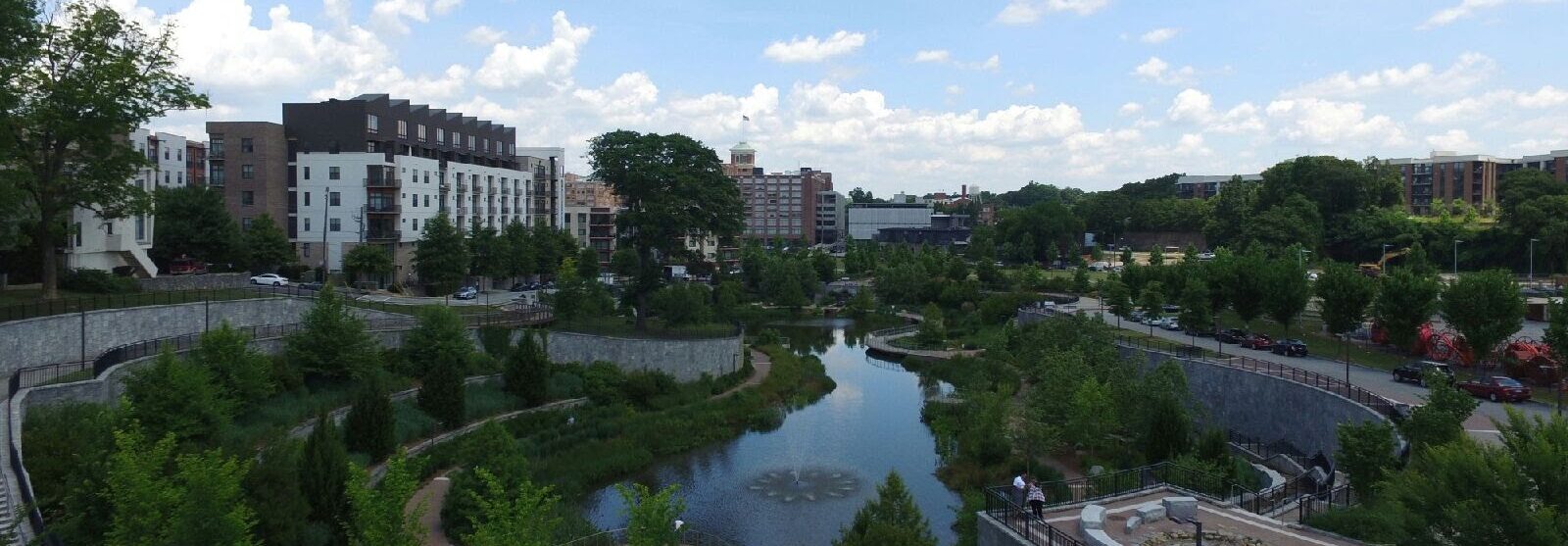
Nature-based resilience projects can provide significant quality of life and neighborhood improvement benefits when specifically designed for this purpose. For example, programs that pair stormwater management opportunities with vacant lot revitalization, community gardens, safe routes to schools, or neighborhood parks and green spaces can result in multiple benefits for residents, including human health benefits, community cohesion, and improved economic vitality. Larger-scale green infrastructure projects such as stream restoration or other projects that create recreational opportunities can attract new businesses and spur investments.
Key Inputs to Estimate Benefits
The value of nature-based improvements for local businesses and residents are often reflected in increased property values or rental rates, and/or enhanced economic activity (e.g., increased economic output or sales).
Economic multipliers or more comprehensive economic impact assessments (EIAs) that rely on input-output models can be used to examine the impact of increased economic activity within a region.
Resources and Guides for Valuing Green Infrastructure Benefits
Decision support tool
Midwest
Distributed Infrastructure
Report
Midwest
Community Engagement
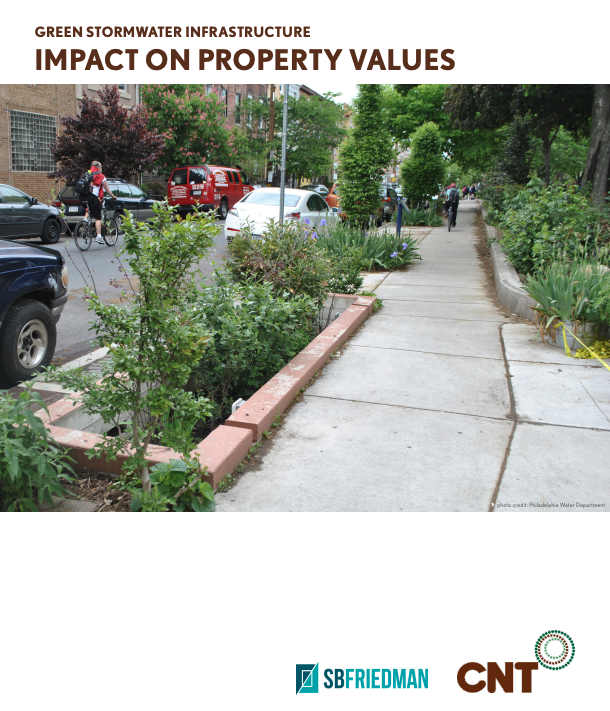
Report
National
Green Infrastructure
Previous
Why Assess and Value Benefits of Storm Resilience Projects