Tools & Guides

Regional Financing Guide

Accessing the Colorado State Revolving Fund

Green Stormwater Infrastructure

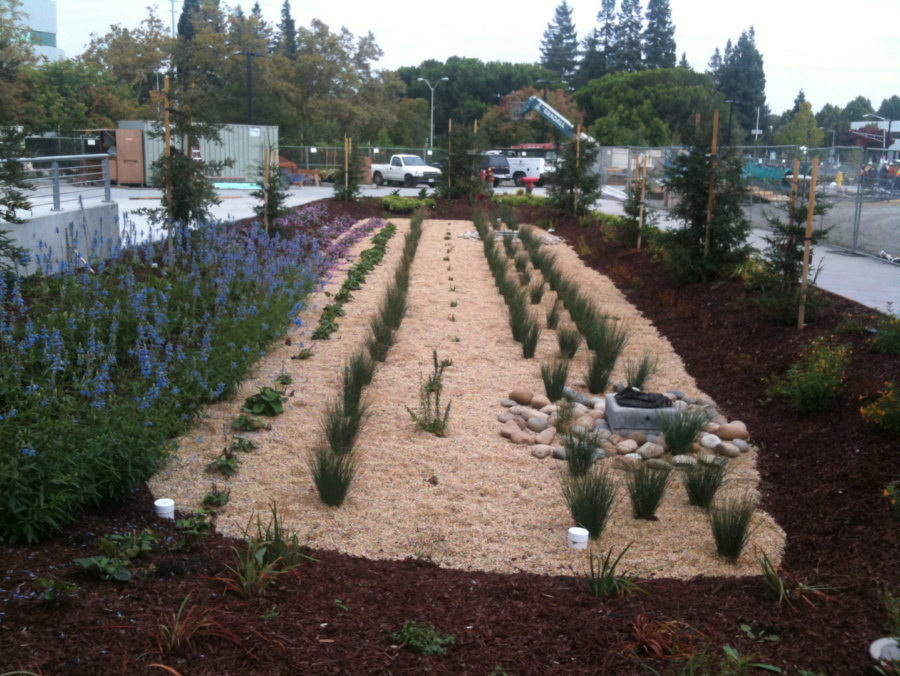
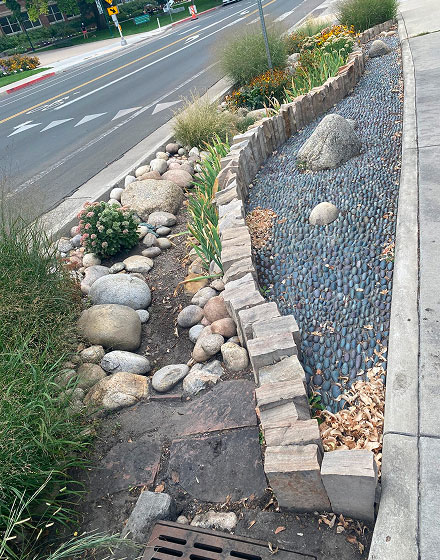
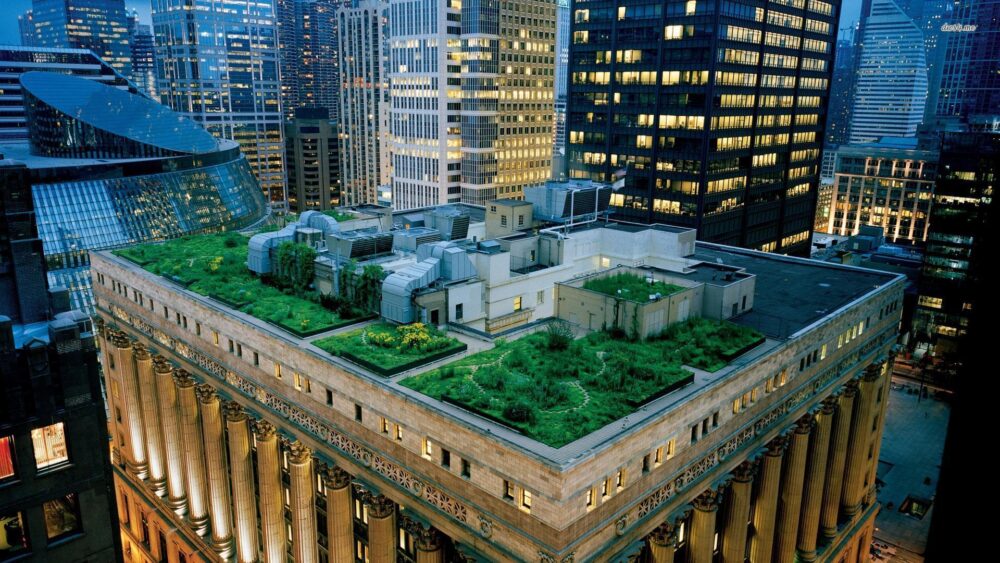
Green stormwater infrastructure (GSI) employs natural elements to manage and treat stormwater, enhance water quality, and provide environmental and community benefits. By integrating vegetation, soils, and natural systems, GSI reduces runoff, filters pollutants, and mitigates flooding. Common GSI practices include rain gardens, permeable pavements, green roofs, bioswales, urban forests and trees, low impact development, and stream and wetland restoration. These approaches not only manage stormwater effectively, but also improve air quality, reduce urban heat islands, and create green spaces for community recreation.
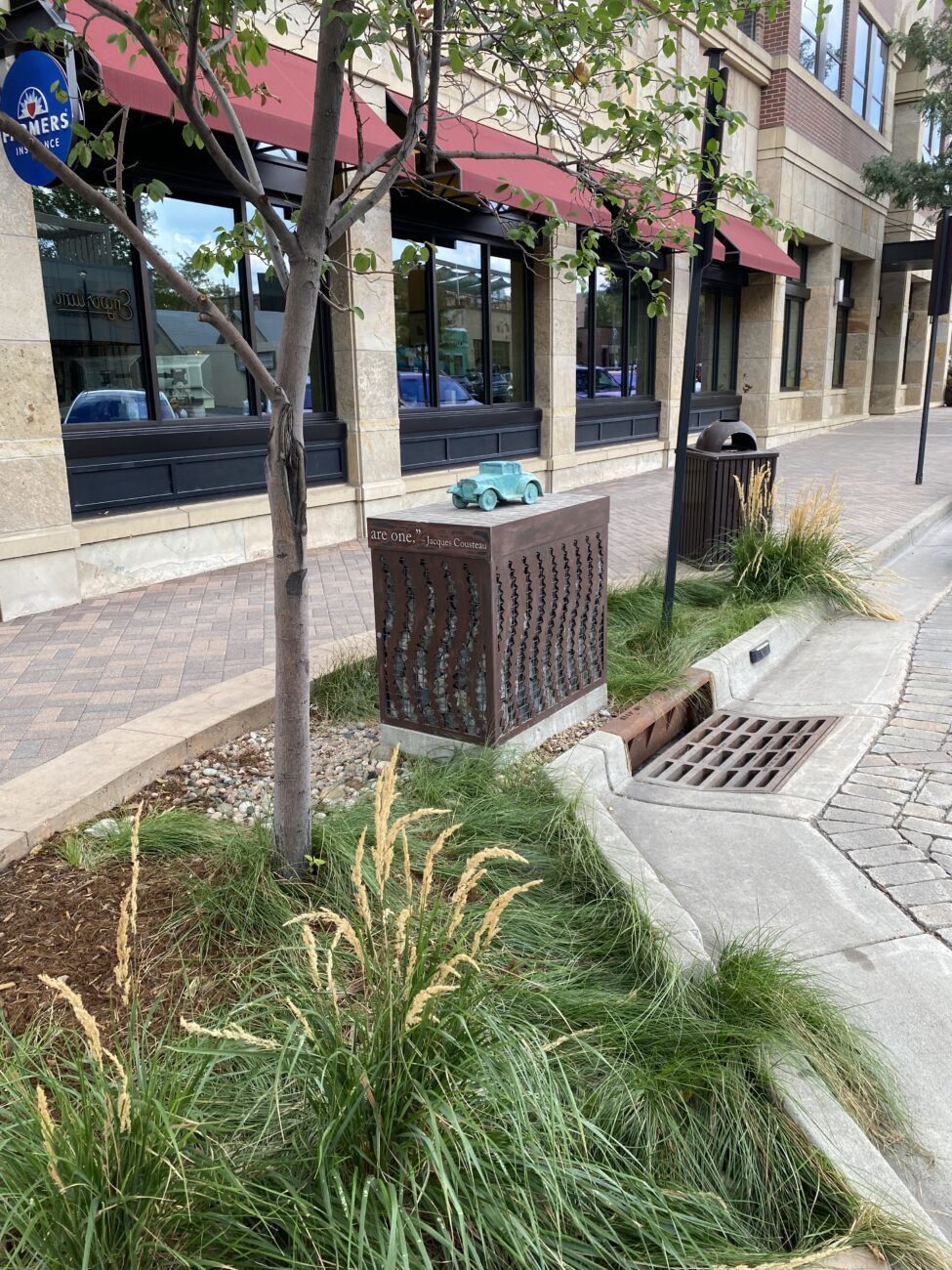
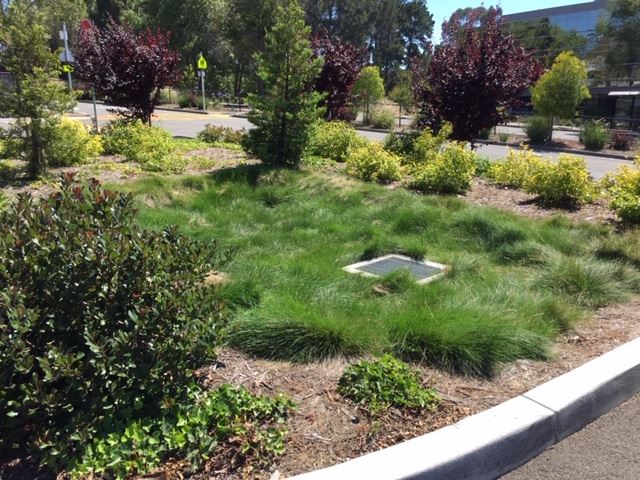
 

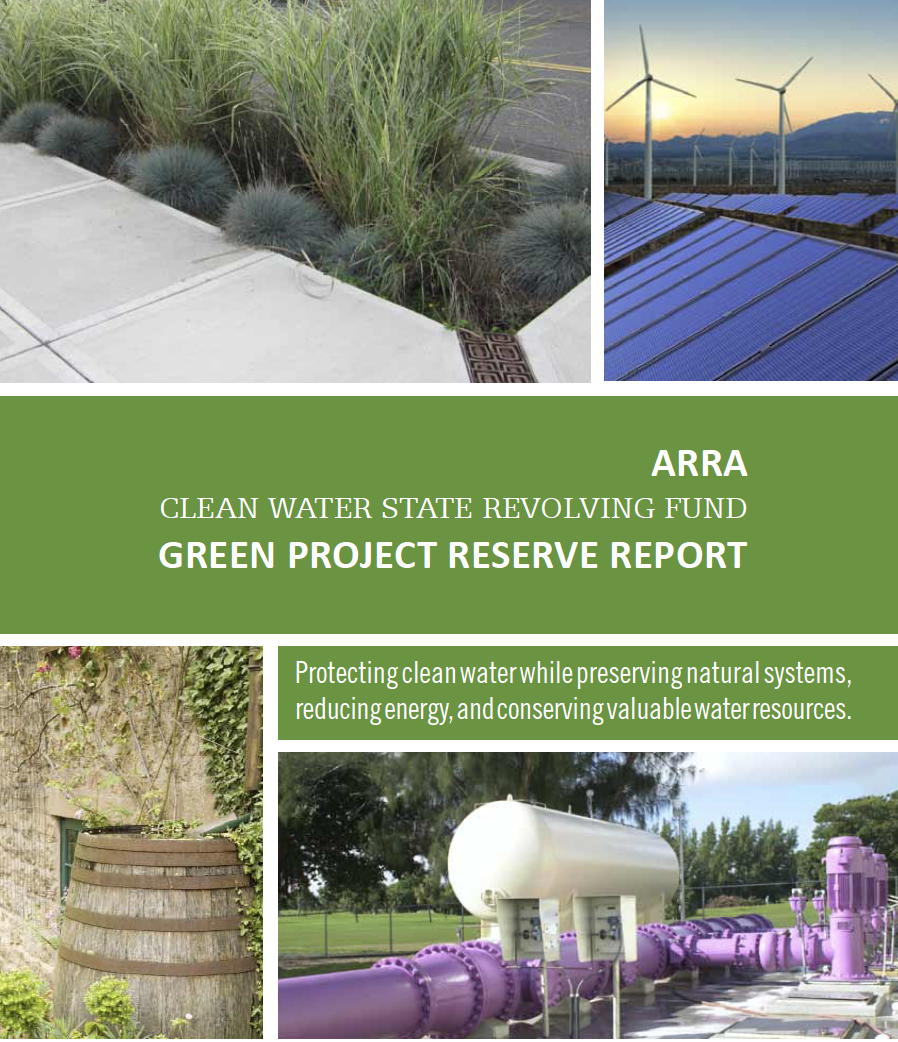
Colorado’s SRF program can support GSI projects. The Water Pollution Control Revolving Fund (WPCRF) offers financial assistance for projects that enhance water quality, including GSI. The Green Project Reserve program within the WPCRF can provide reduced interest rates and additional points in the project scoring process for qualifying GSI projects. 

Implementing GSI contributes to sustainable water management by reducing the impacts on traditional wastewater and stormwater systems and enhancing water quality. Communities adopting GSI can expect long-term economic, environmental, and social benefits, aligning with broader goals of resilience and sustainability. Scroll down to explore specific examples of GSI, such as rain gardens, bioswales, green roofs, and permeable pavers. 

Project Spotlight: Lake Merced Green Infrastructure

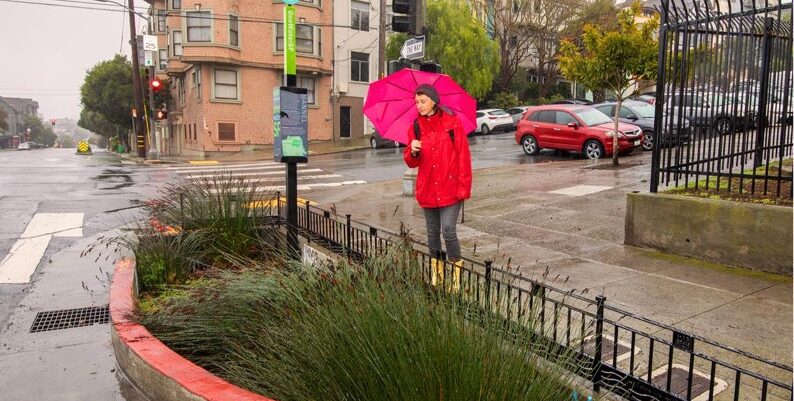
The San Francisco Public Utilities Commission (SFPUC) utilized $6.1 million of Clean Water SRF financing to create a GSI corridor spanning 9 city blocks in the historically underserved Ingleside neighborhood. This transformative project converted a 2-acre drainage area, nearly entirely paved, into a vibrant, mixed-use corridor that is both pedestrian- and bike-friendly. Featuring a range of green infrastructure solutions such as vegetated planters, pervious pavement, and other sustainable technologies, the project effectively manages stormwater runoff, reducing stress on the combined sewer system. Beyond its environmental benefits, the project enhances the streetscape by introducing new green spaces, improving the quality of life in this disadvantaged community, and fostering increased pedestrian and cyclist activity along a key connection between San Francisco State University and the City College/Balboa Bay Area Regional Transit station.

RESOURCES

Financing Sustainable Water Projects

Previous

Financing Sustainable Water Projects

Go to Financing Sustainable Water Projects

Next

Water Conservation

Go to Water Conservation

Explore more modules