Report

Rocky Mountains
Enabling Large-Scale Non-Functional Turf Transformations
Conservation & Efficiency
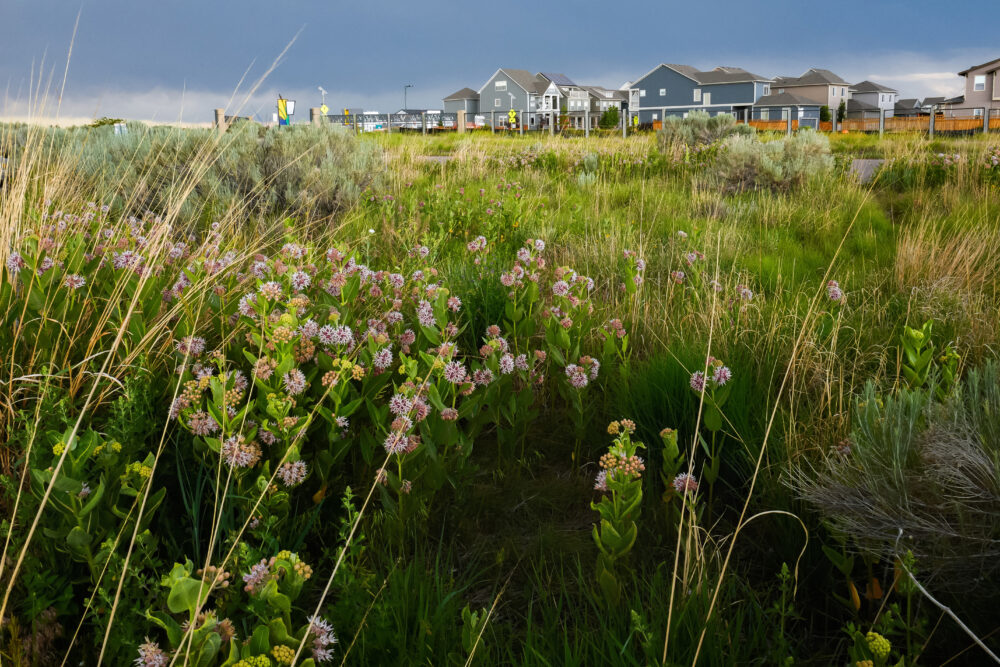
WaterNow’s Colorado team has had success with a number of communities in advancing NFT change out projects. Check out the case studies below for inspiration.
3 Front Range Community NFT Programs: Large Scale NFT Transformation
WaterNow embarked on a multiyear project with Broomfield, Greeley, and Westminster to explore different approaches to larger-scale turf replacement projects that may have otherwise faced economic, policy or other barriers to implementation. The project involved:
Report
Rocky Mountains
Conservation & Efficiency
Westminster, CO
The City of Westminster, Colorado, is in the Denver Metro Area, within both Jefferson and Adams counties. Westminster provides drinking water to approximately 135,000 people both inside and outside the city limits, and population is expected to increase in the future. Westminster also faces the challenge of meeting increased water demand in the face of decreased supply due to drought. Due to high water usage for outdoor irrigation (50% of the City’s annual treated drinking water in the summer), converting non-essential turf to low-water use alternative landscaping offers the City an important opportunity to conserve water.
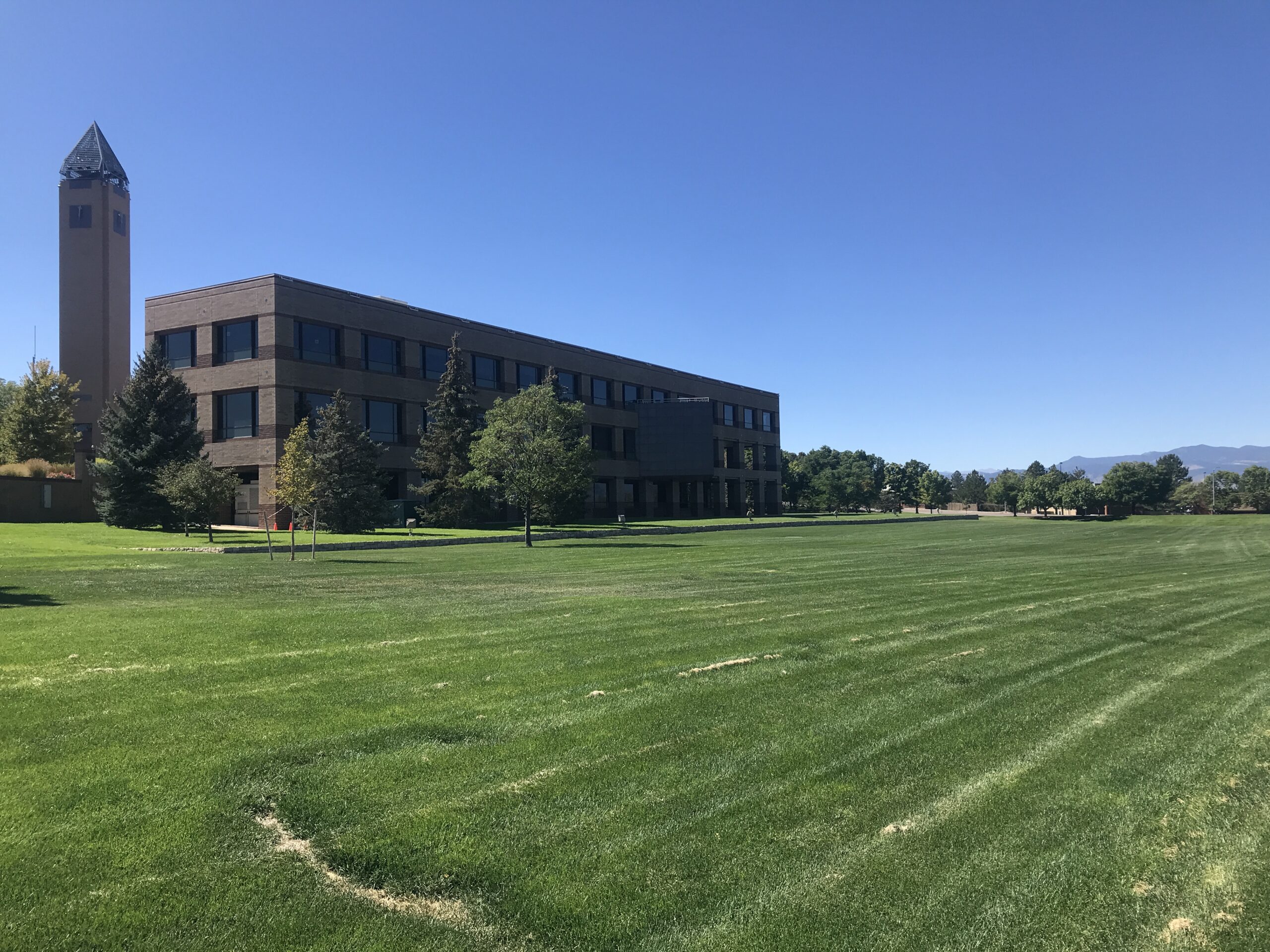
Case Study
Rocky Mountains
Conservation & Efficiency
Greeley, CO
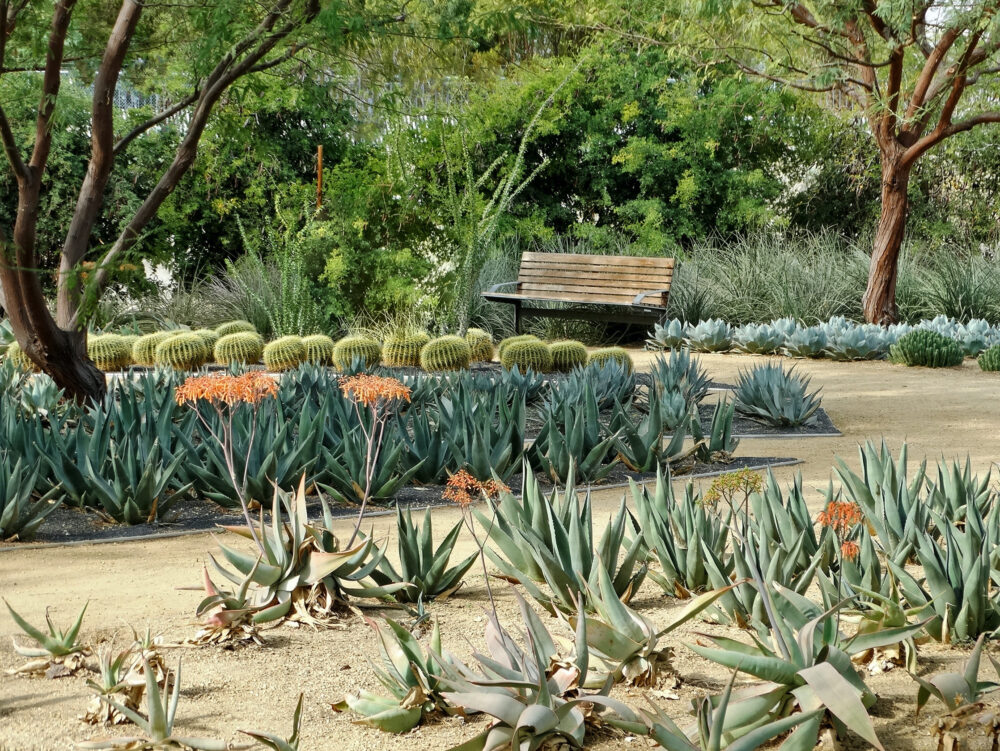
Greeley, Colorado, is located on the High Plains in northern Colorado approximately 49 miles north/northeast of Denver. The population of Greeley in 2021 was 109,323 people. Greeley is experiencing high rates of population growth, with up to 311,000 people projected to reside in Greeley by 2070 under a high population growth scenario. Annual water demand in Greeley is projected to increase significantly in the future (up to 70,000 AF by 2070, an increase of approximately 40,000 AF from 2021 water demand). During peak irrigation season from June through September, outdoor water use makes up approximately 70% of total use. To conserve water, replacing non-essential turf with more water efficient landscaping is a critical solution to the city’s water challenges.
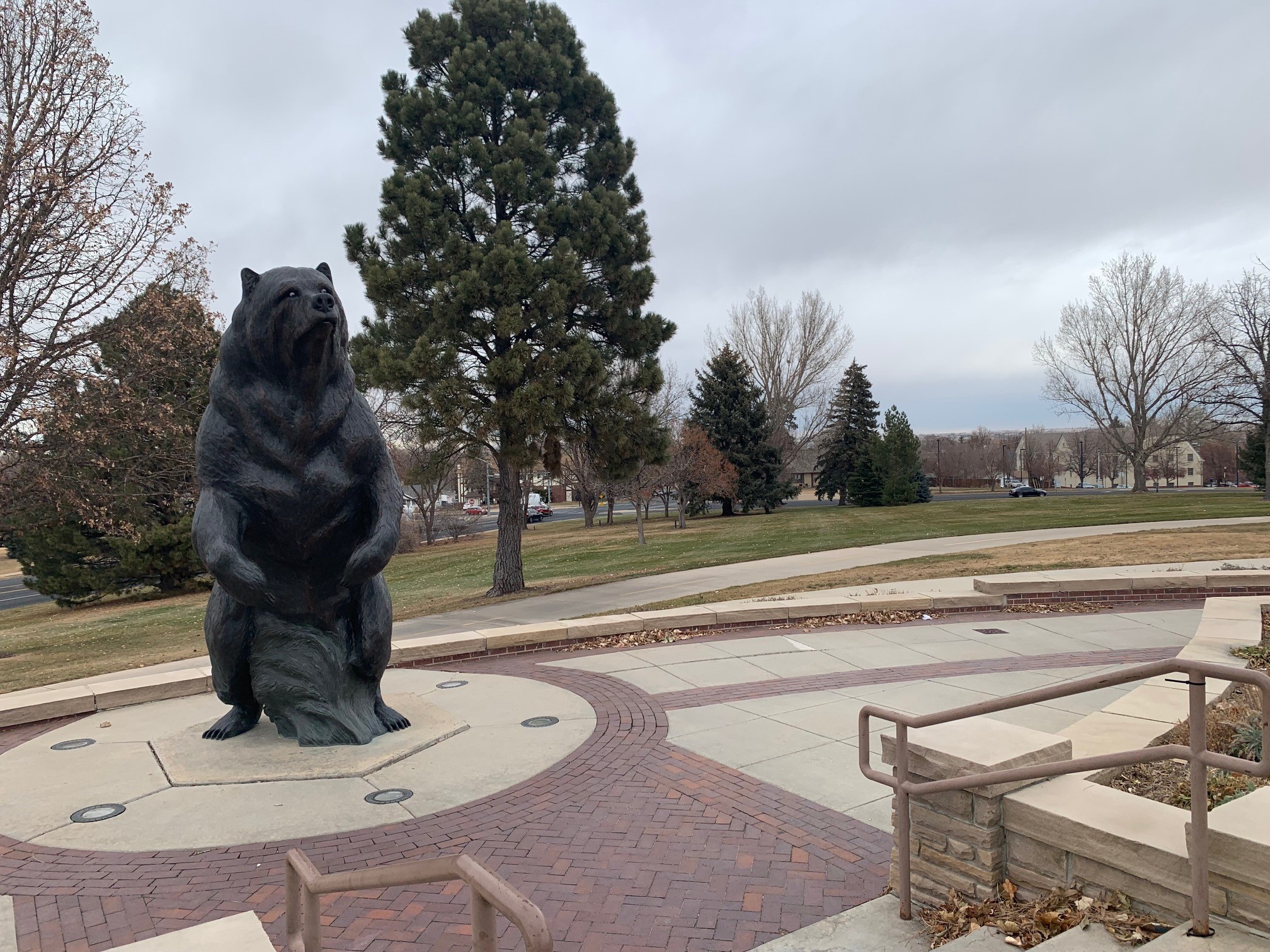
Case Study
Rocky Mountains
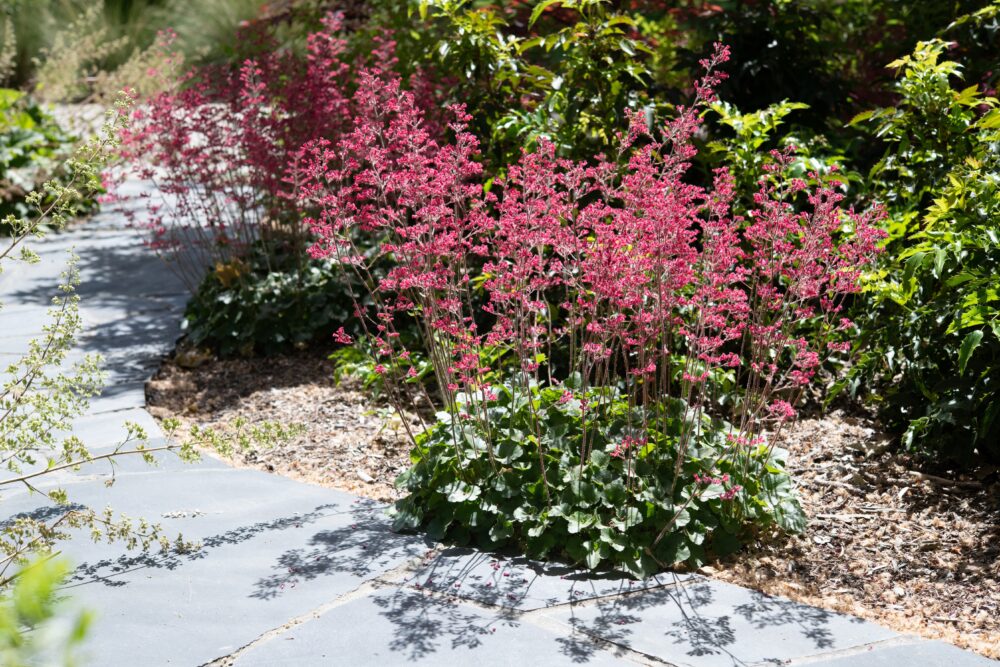
Case study describing a large-scale turf conversion and waterwise landscaping pilot program.
Conservation & Efficiency
Broomfield, CO
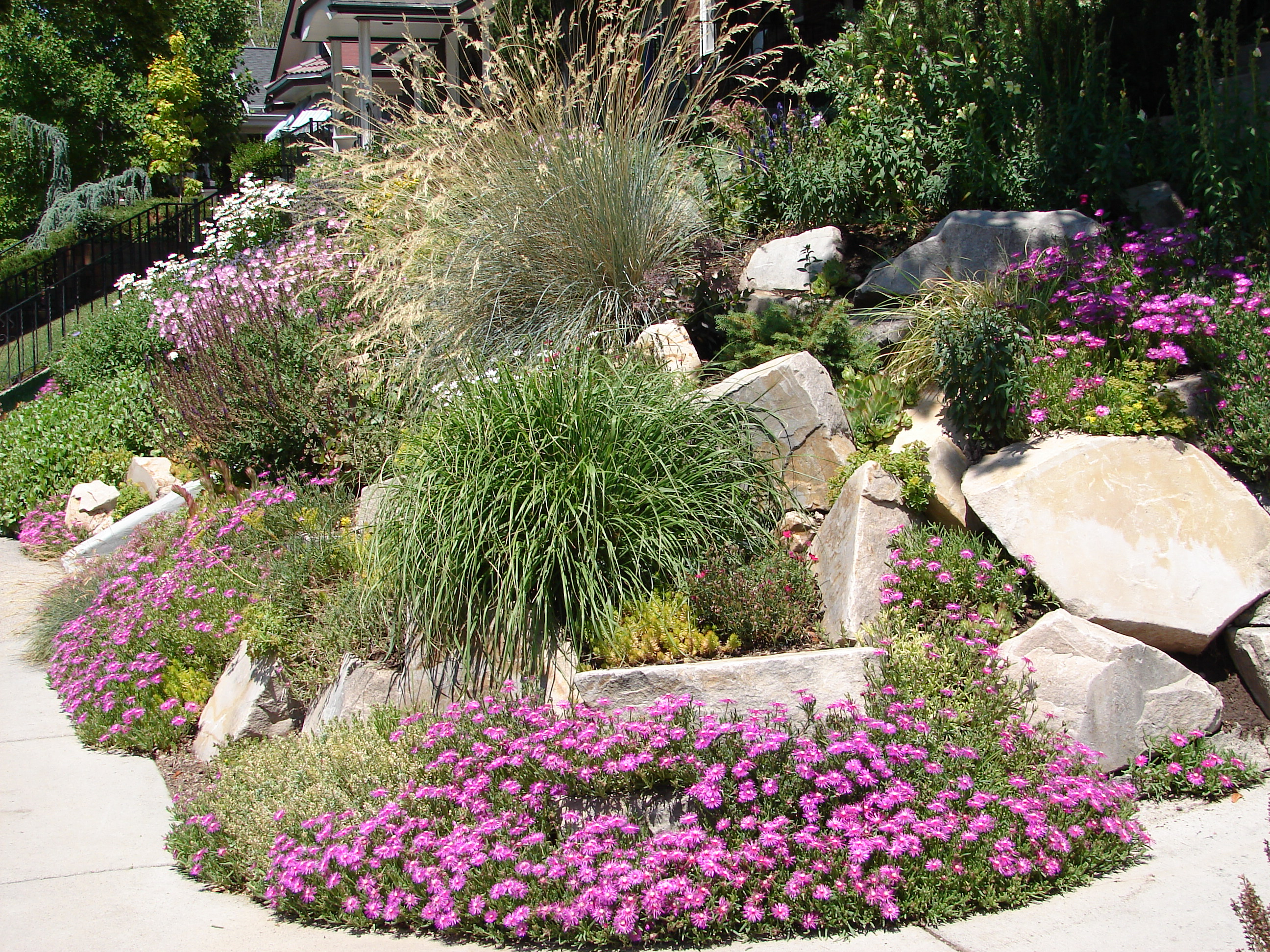
The consolidated City and County of Broomfield, Colorado, is located about 18 miles north of Denver. Broomfield has a population of approximately 76,976 as of 2023. The community is experiencing rapid population growth and anticipates a buildout population of 95,500 residents in 2040. Significant growth is expected in the multi-family and commercial sectors in northeastern Broomfield along the Interstate 25 (I-25) corridor. Facing climate change, drought, and rapid population growth, Broomfield’s water supply and reliability is at risk. By 2050, water demand in Broomfield is projected to rise to approximately 18,100 AFY, representing an increase of about 5,000 AF from 2024 levels. With 60-70% of Broomfield’s annual water supply dedicated to landscape irrigation, replacing non-essential turf with waterwise landscaping is a critical tool to ensure the community can meet growing demand in the face of climate change. Turf replacement efforts also align with Broomfield’s recently adopted landscape requirements that prioritize water conservation for new development and redevelopment by limiting cool-season turf and requiring low-water plant alternatives and efficient irrigation systems.
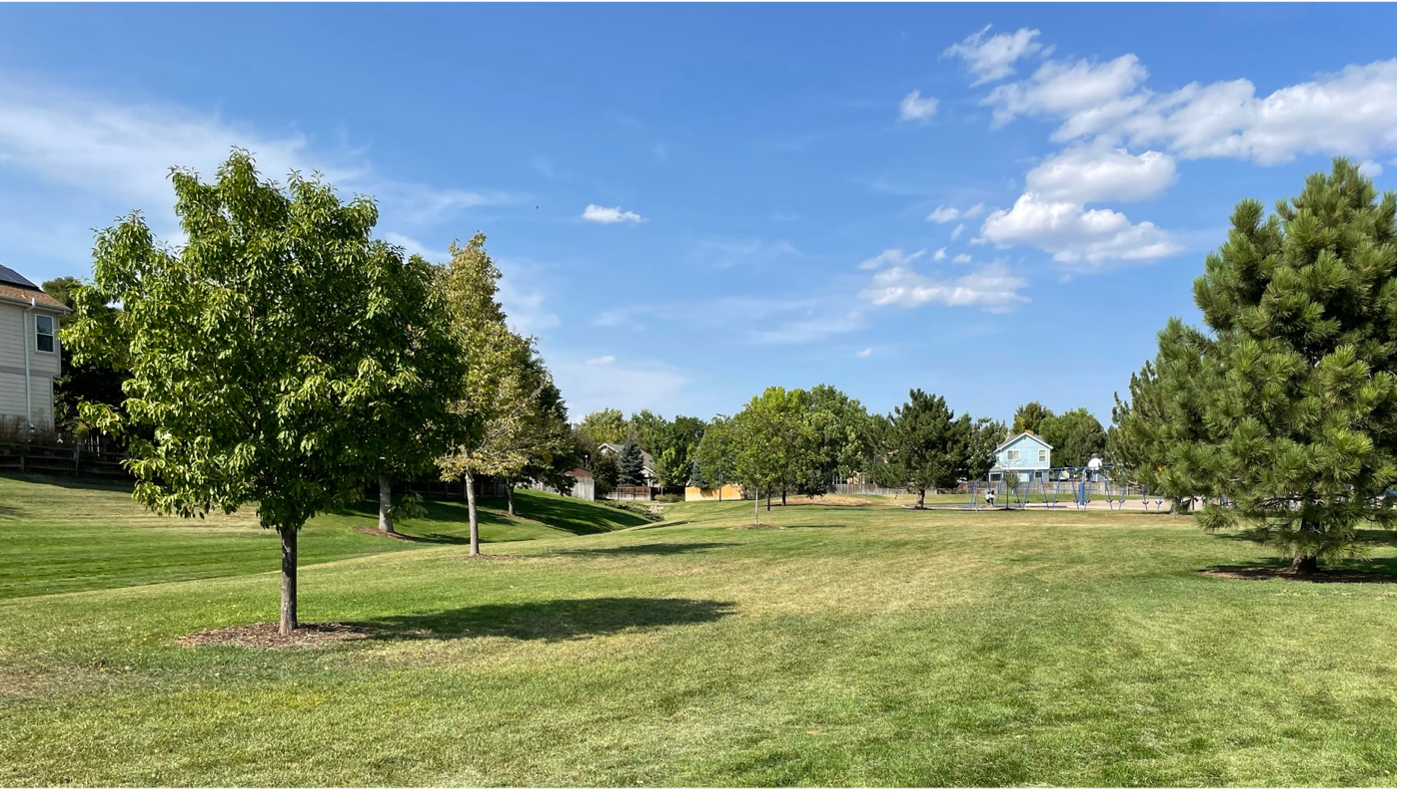
Case Study
Rocky Mountains
Conservation & Efficiency
Previous
Transforming Non-Functional Turf in the West
Next
Non-Functional Turf Replacement Resource Library