Localized, or onsite, water infrastructure distributed widely across communities, and even far remote from communities, can provide sustainable, climate resilient alternatives to conventional water infrastructure. Distributed strategies stretch water supplies, enhance water quality, capture and manage urban runoff. Offering both scalability and long-lasting benefits, distributed infrastructure supplements and extends the value of conventional systems while protecting environmental resources and providing multiple benefits for communities —all for a lower price tag.
What these varied strategies have in common is that they operate outside of direct utility management to provide water supply, water quality, and water management functions. Distributed water infrastructure includes, but is not limited to, for example:
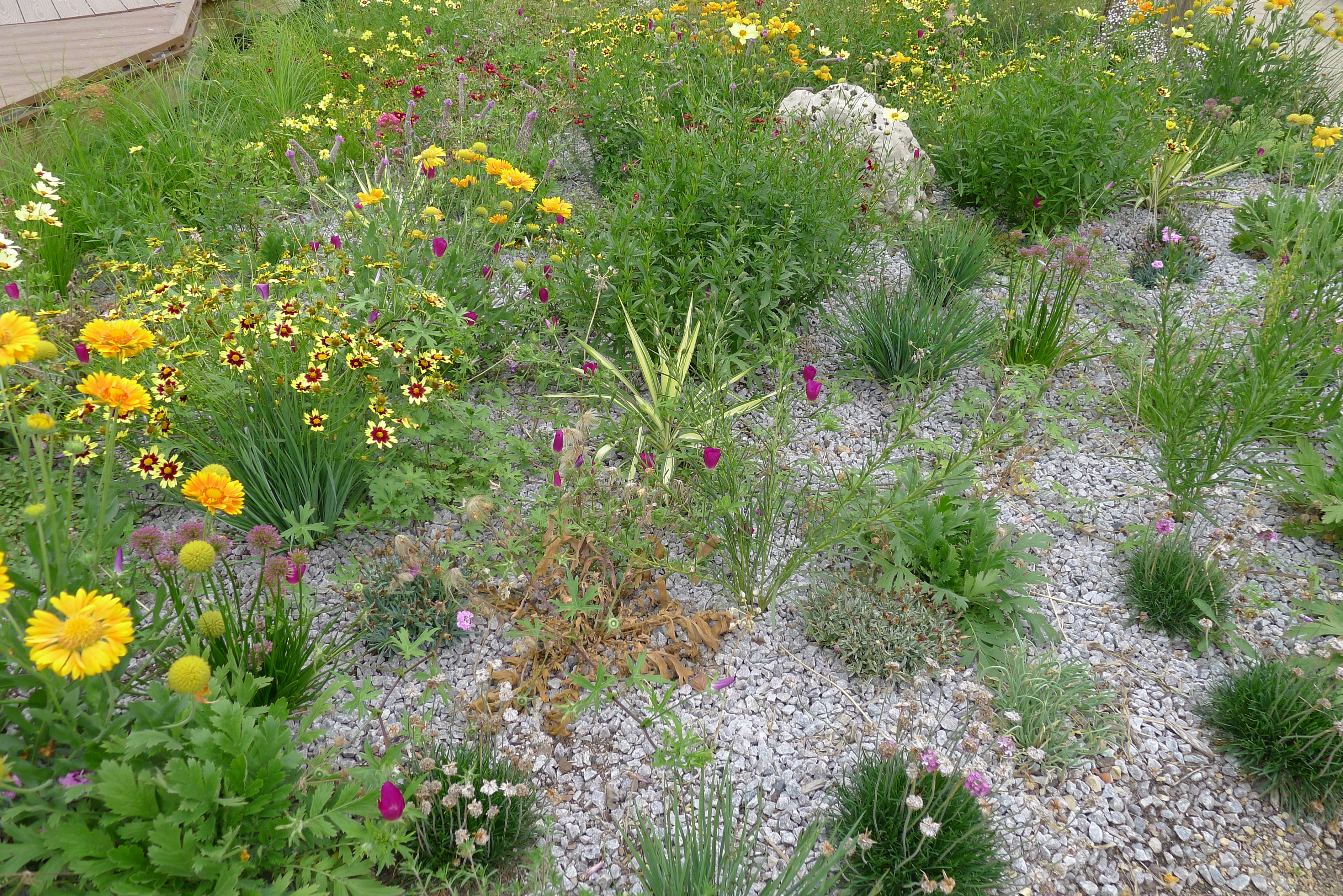
- Landscape transformation (from high water use to low-water landscaping)
- High efficiency indoor appliances
- Leak detection devices
- Source water protection
- Watershed health management
- Land conservation
- Smart irrigation controllers
- Smart meters
- Green stormwater infrastructure (GSI)
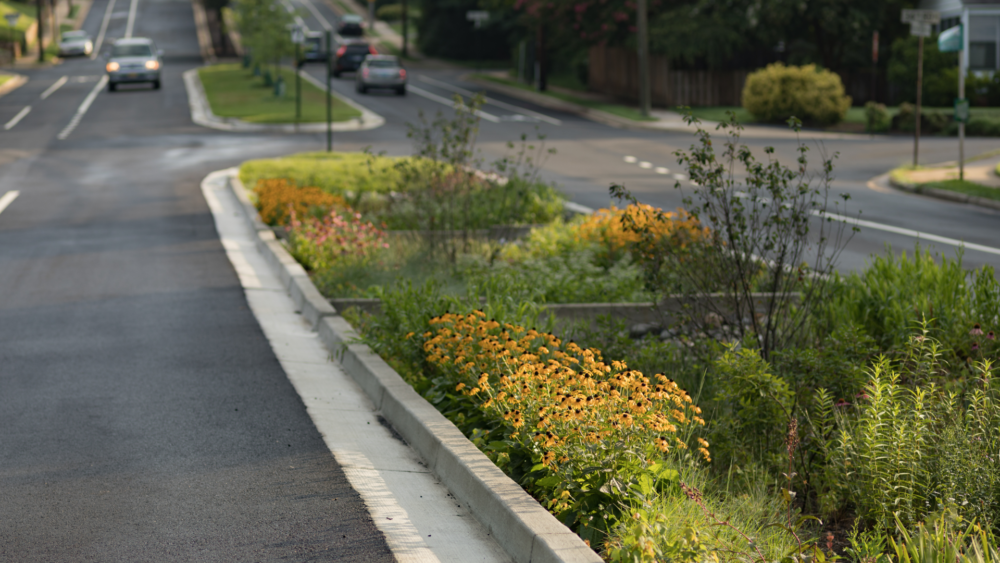
- Bioswales
- Constructed wetlands
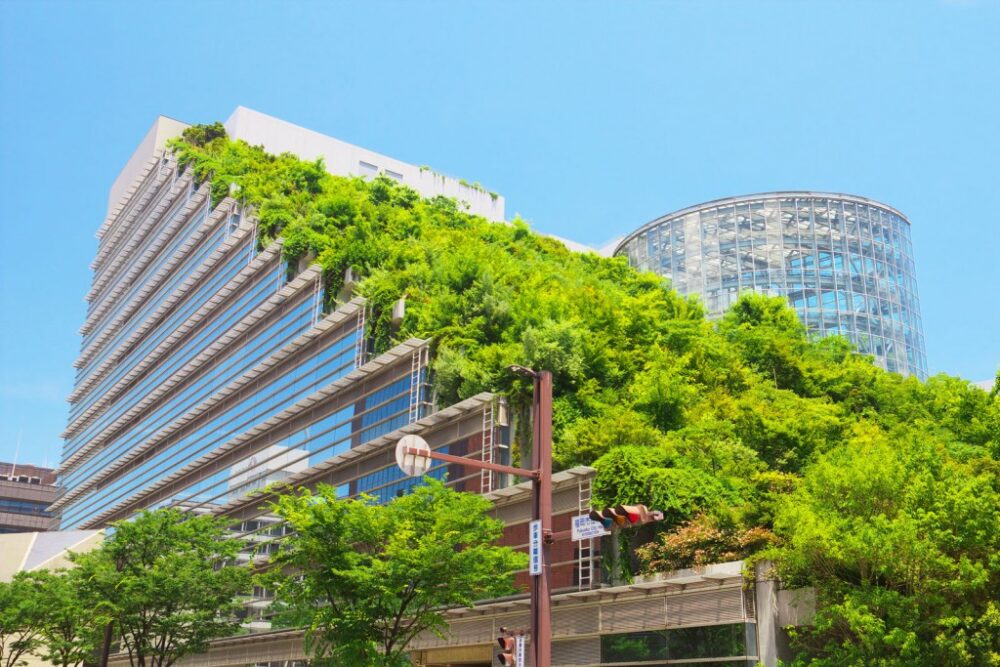
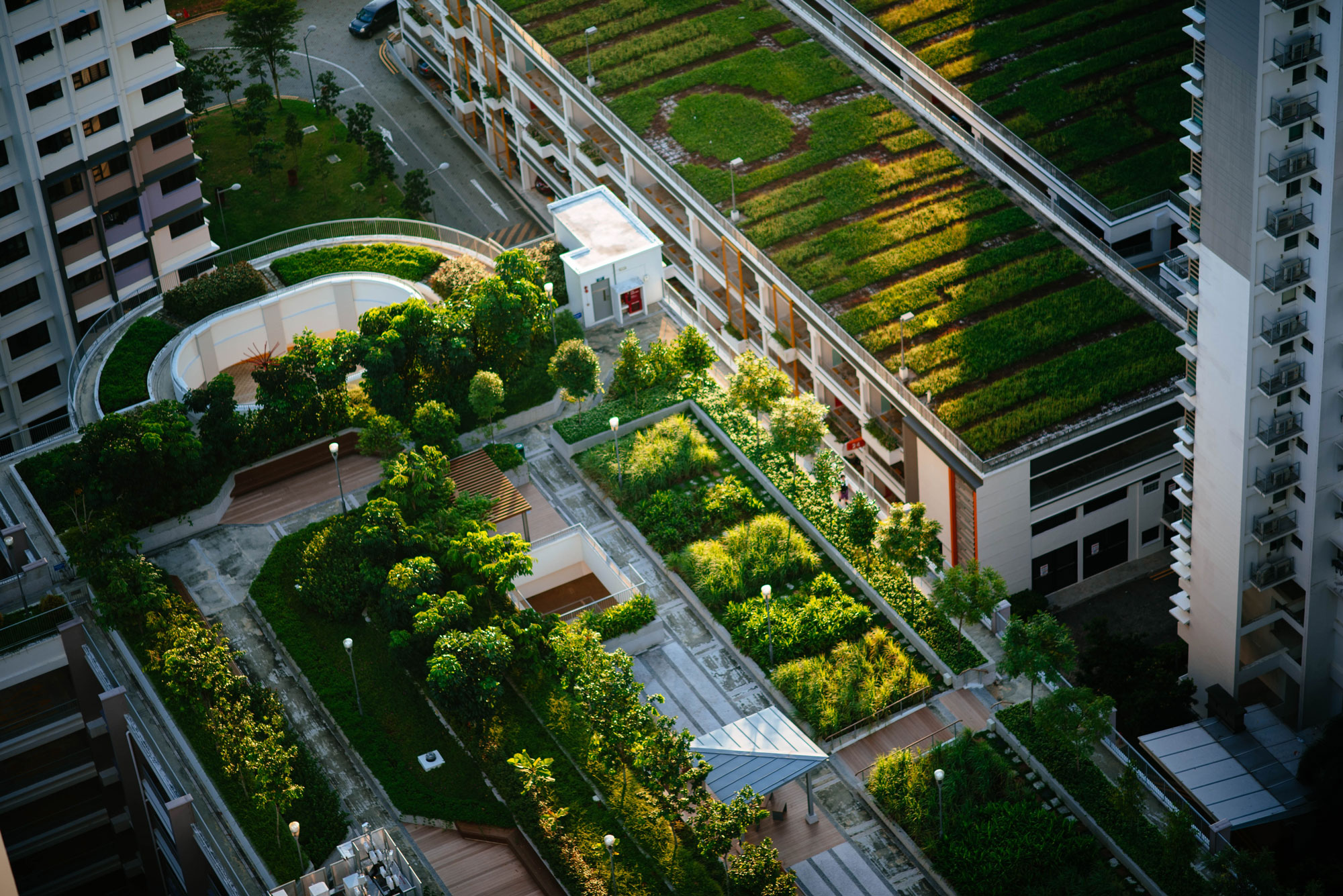
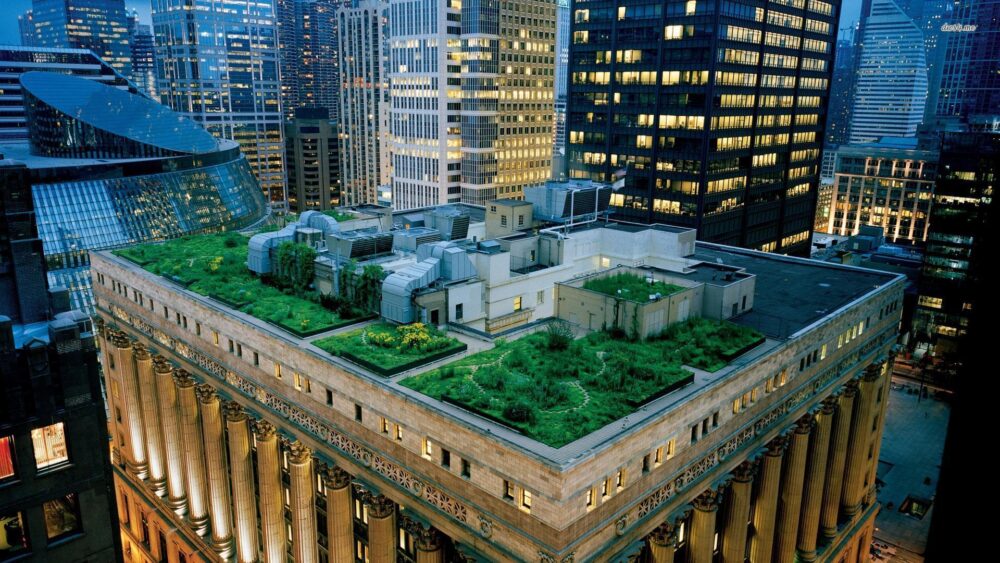
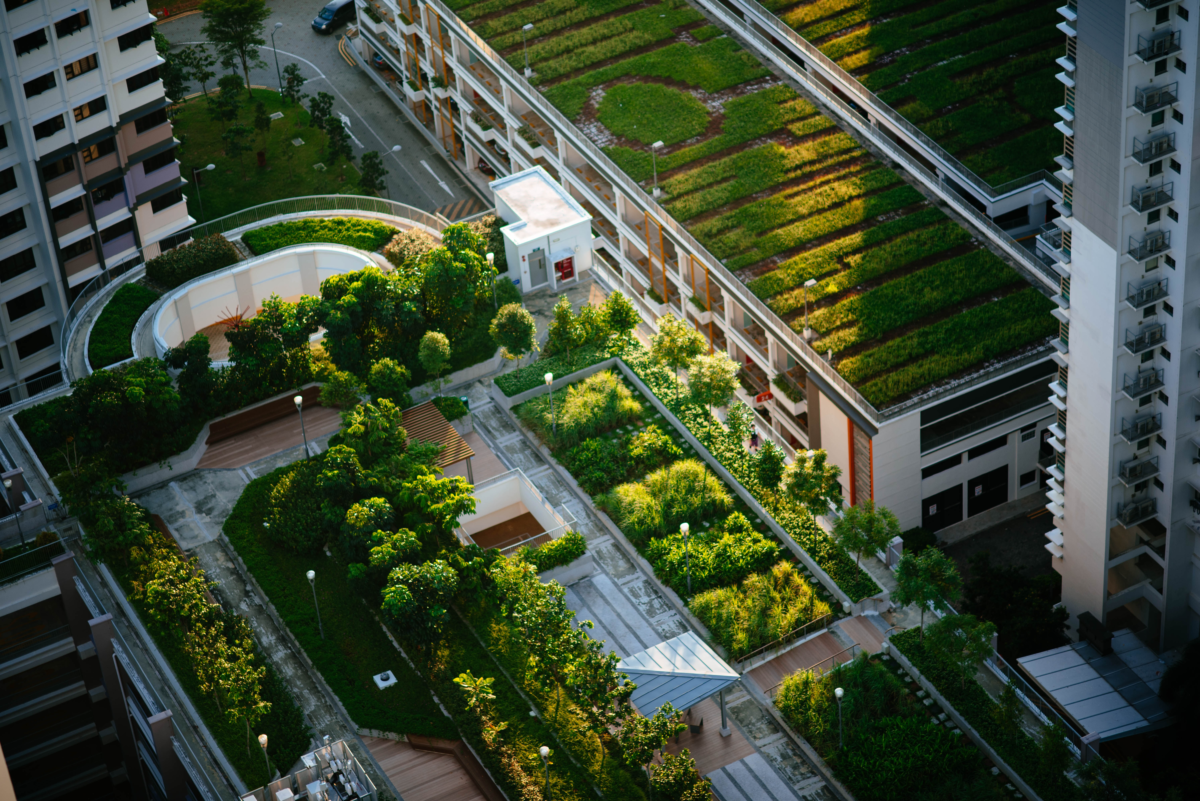
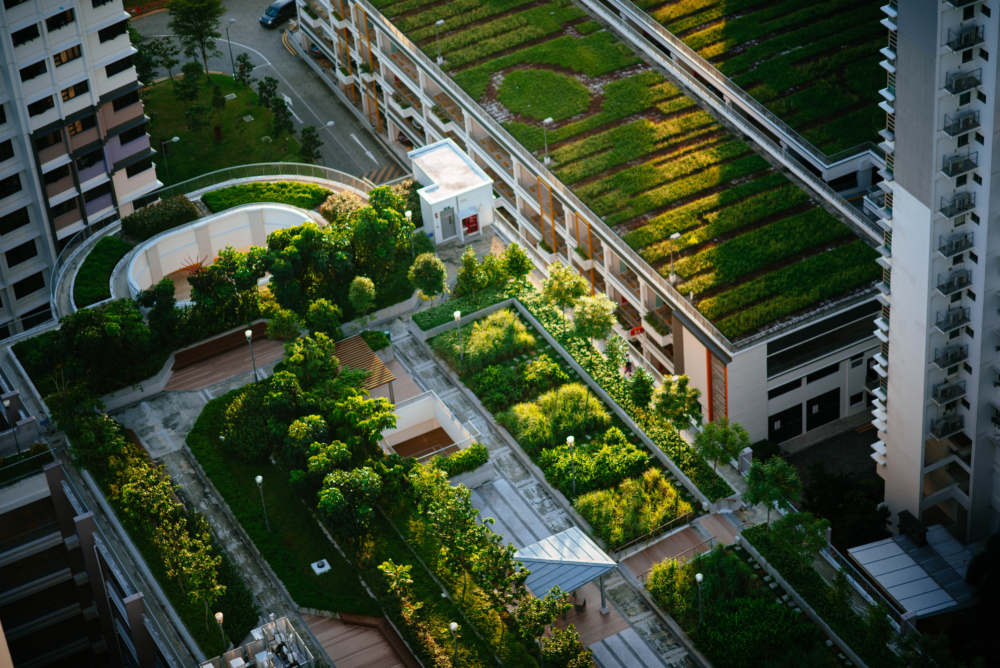
- Green roofs
- Green streets
- Permeable pavement
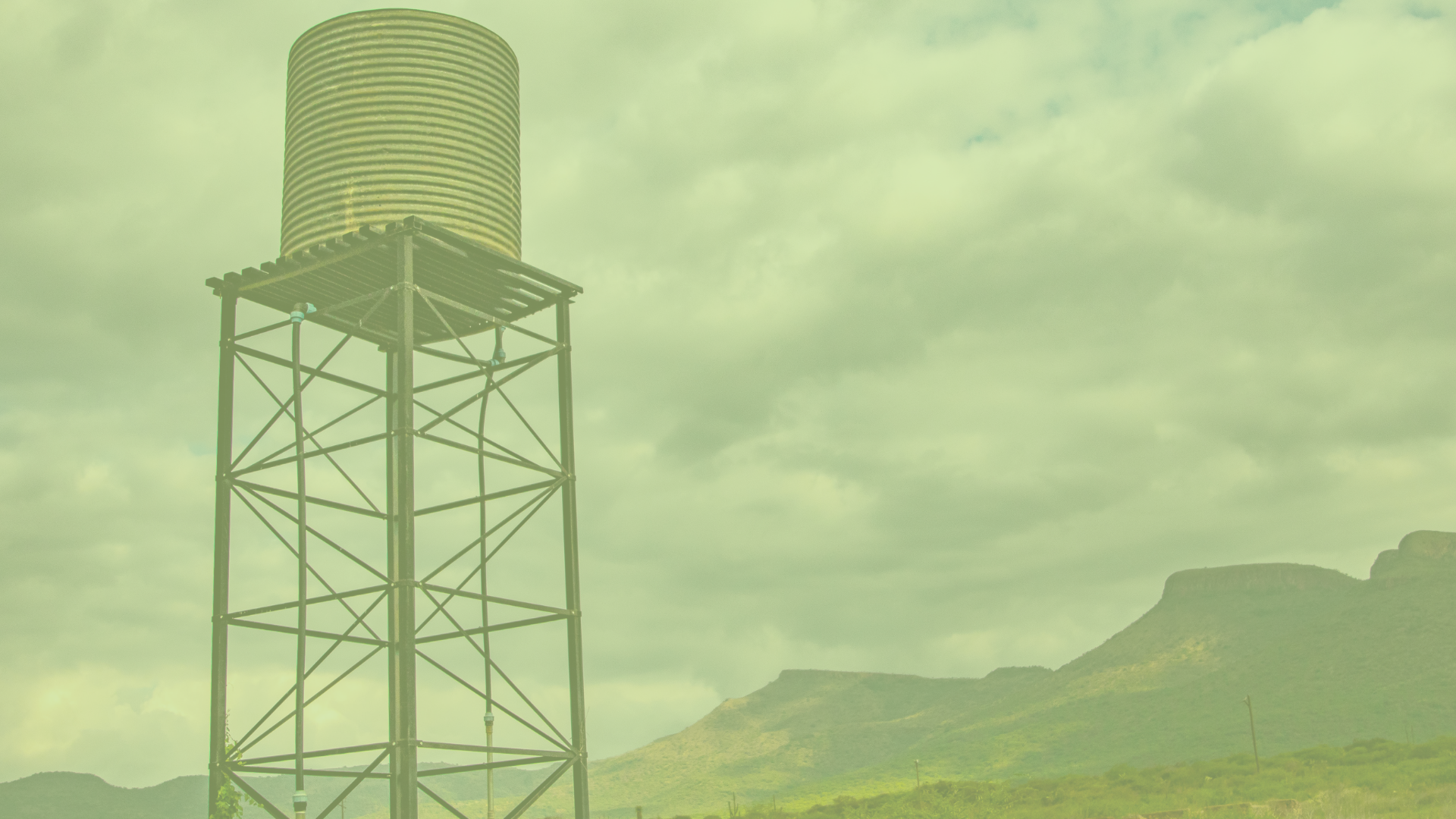
- Rainwater harvesting
- Urban tree canopies
- Onsite non-potable reuse systems for industries
- Graywater systems
- Lead service line replacements
WaterNow’s Tap into Resilience (TiR) initiative is the most comprehensive resource available for navigating the issues that arise in connection with financing and implementing distributed water infrastructure. Check it out here.