Report

National
Innovation in Action: 21st Century Water Infrastructure Solutions
WaterNow paper outlining innovative pathways to a sustainable water future.
Distributed Infrastructure
Module navigation
Localized water management strategies provide sustainable, affordable, and resilient solutions to address the interlinked issues of water quantity and quality, delivering a steady supply of clean water to communities while also helping ratepayers save both water and money.
Community water supply & water quality strategies

Wastewater from sinks, showers, and laundry facilities (excluding blackwater from toilets and urinals) that is treated and reused for non-potable purposes, reducing potable water demand and wastewater volumes.

Commercial, industrial, and residential fixtures and appliances, such as low-flow faucets, showerheads, toilets, dishwashers, and washing machines, designed to use much less water, delivering the same—or better—performance than high water use models.

The replacement of lead pipes connecting water mains to individual buildings, improving drinking water safety and reducing health risks associated with lead exposure, particularly for children and pregnant women.

Devices that identify leaks in consumer-side-of-the-meter toilets, pipes, drains, and industrial systems and send real-time notifications, helping reduce water loss and improve overall system performance.

Forest and watershed management initiatives that protect the quality and quantity of lakes, rivers, streams, and groundwater supplying drinking water, prevent contamination at the source, reduce treatment costs, and build wildfire resilience.
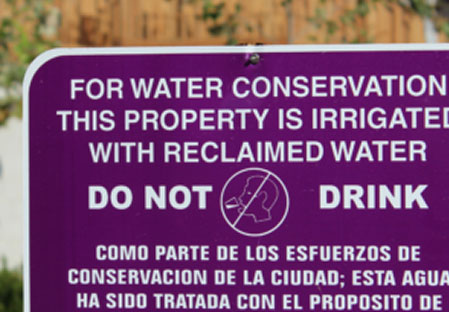
Systems that collect, treat, and reuse water generated within buildings or developments—including graywater and stormwater—for non-potable uses such as toilet flushing, cooling systems, and landscape irrigation, reducing demand on centralized water infrastructure.
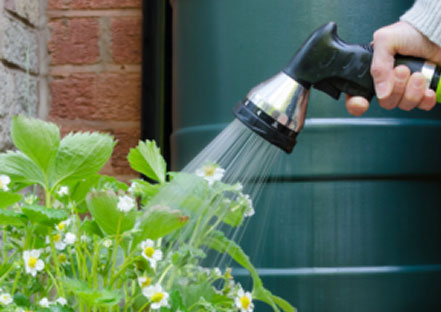
The collection and storage of rainwater from rooftops or other impervious surfaces for non-potable uses such as landscape irrigation, reducing demand on municipal water supplies and helping manage stormwater runoff.
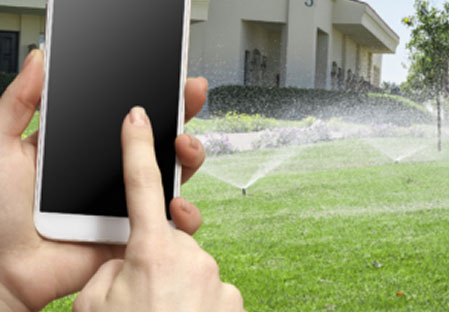
Technologies and system upgrades—such as weather-based controllers, soil moisture sensors, drip irrigation, and high-efficiency sprinkler heads—that optimize watering schedules, reduce outdoor water use, and improve overall irrigation efficiency.
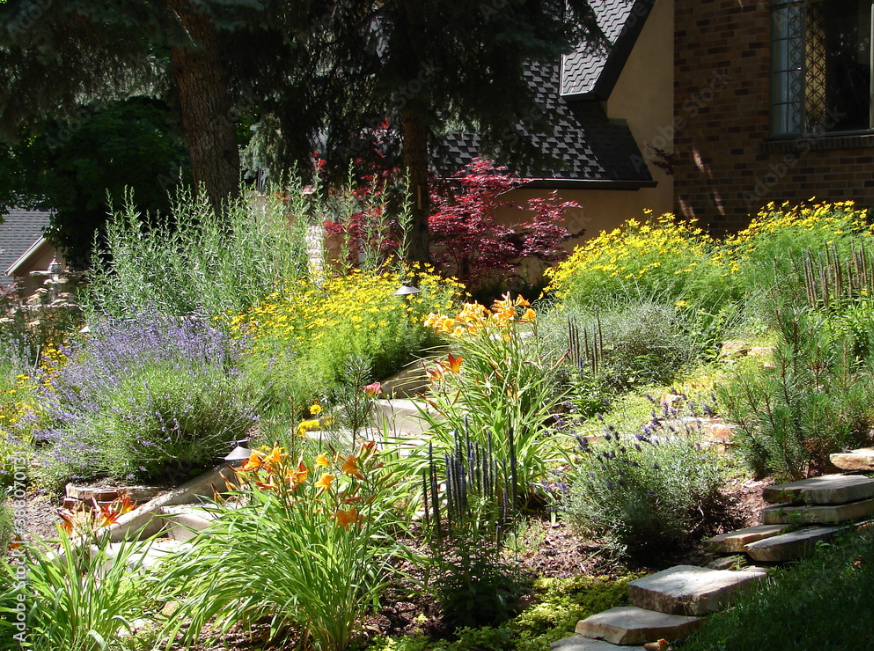
The conversion of high-water-use, non-functional turf into native or drought-tolerant landscapes that reduce outdoor irrigation demand, improve water efficiency, and maintain functional, climate-appropriate outdoor spaces.
Report
National
WaterNow paper outlining innovative pathways to a sustainable water future.
Distributed Infrastructure

Factsheet
National
Guide for putting capital to work for local water innovation.
Distributed Infrastructure
Case Study
Rocky Mountains
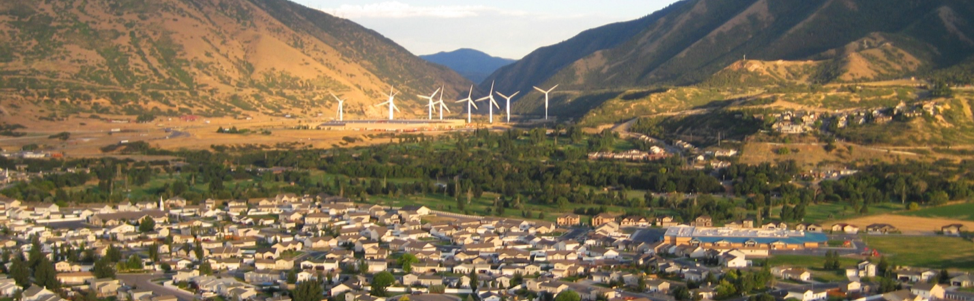
Adding capacity for peak demand with smart irrigation.
Conservation & Efficiency
Case Study
Rocky Mountains
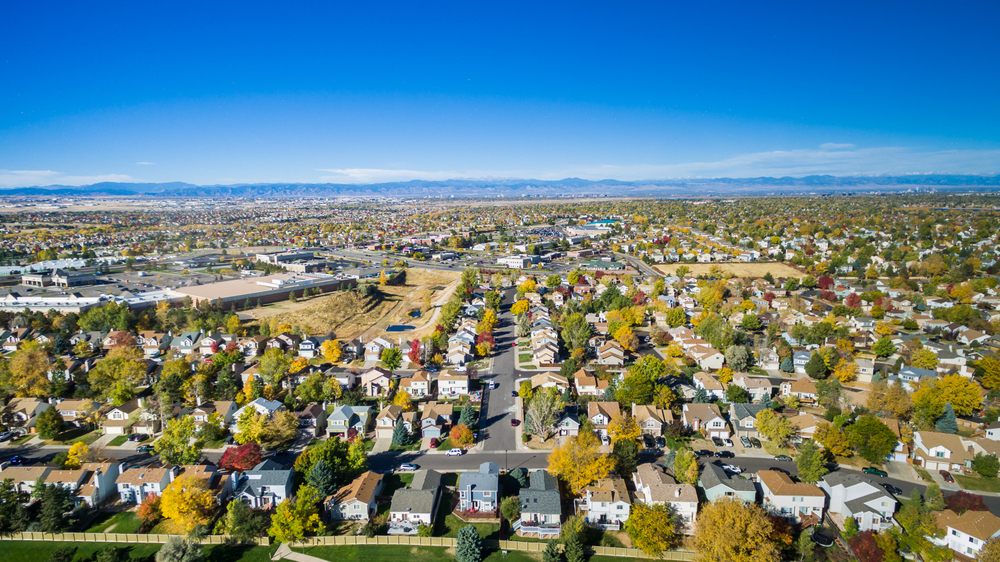
Learn about Aurora’s Low-Income Water Efficiency Program.
Community Engagement

Case Study
Rocky Mountains
Learn about Denver’s leading lead service line replacement program.
Funding & Financing

Case Study
Rocky Mountains
Green Infrastructure
Case Study
Rocky Mountains
Conservation & Efficiency
Case Study
Rocky Mountains
Conservation & Efficiency
Case Study
Rocky Mountains
Conservation & Efficiency
Module 2

Module 3
Module 4