
Case Study

Rocky Mountains
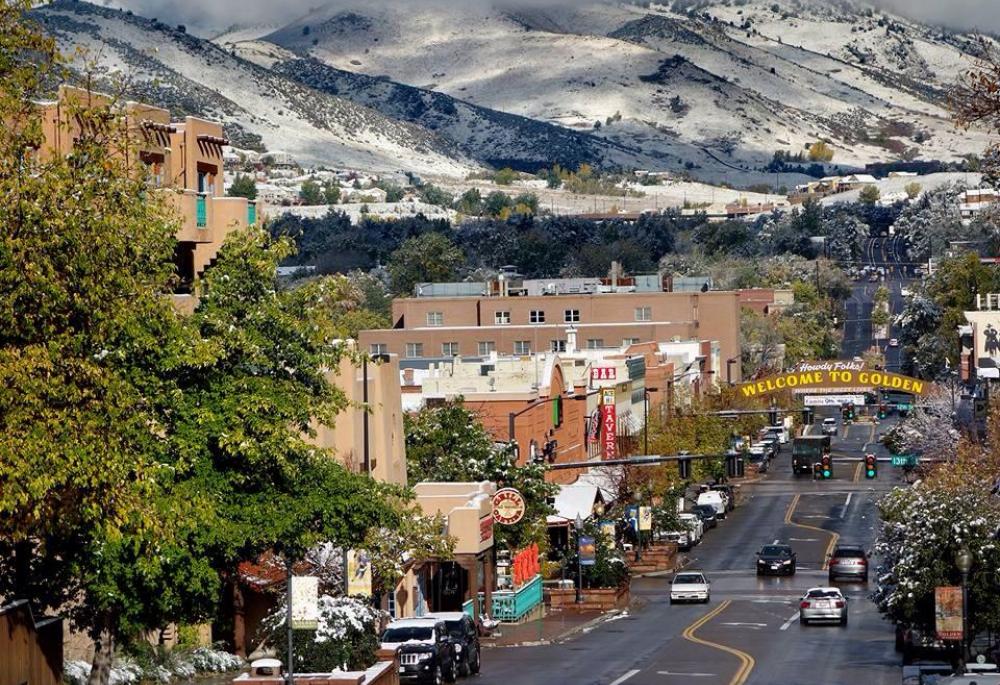
Golden Graywater Ordinance Case Study
Learn about WaterNow’s project to develop a graywater reuse ordinance for Golden, CO.
Conservation & Efficiency
Module navigation
Treated effluent has significant potential for reuse as non-potable – and even potable – water supply. Municipal water leaders are exploring creative wastewater management tactics for a more efficient, sustainable future. Localized infrastructure systems can safely reuse wastewater onsite or redirect it to other uses without centralized treatment.
Wastewater management & treatment strategies

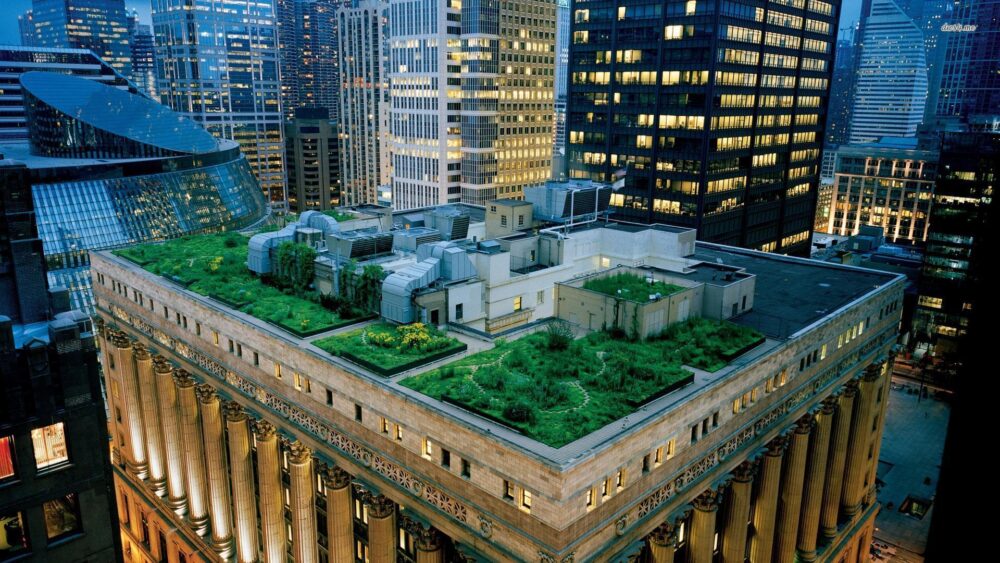
Engineered wetland systems that mimic natural wetlands by using vegetation, soils, and microbial processes to capture and treat stormwater and wastewater, reduce nutrient loads, and improve water quality without relying on chemical treatment.

Wastewater from sinks, showers, and laundry facilities (excluding blackwater from toilets and urinals) that is treated and reused for non-potable purposes, reducing potable water demand and wastewater volumes.
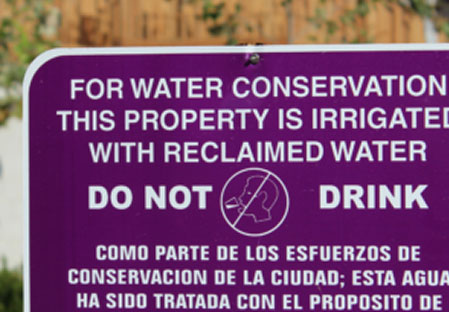
Systems that collect, treat, and reuse water generated within buildings or developments—including graywater and stormwater—for non-potable uses such as toilet flushing, cooling systems, and landscape irrigation, reducing demand on centralized water infrastructure.
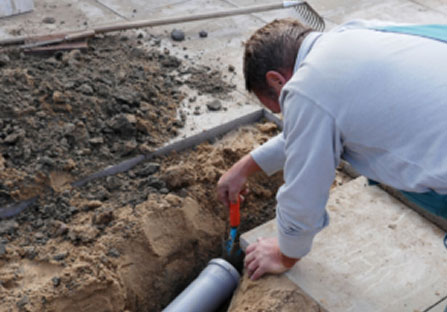
The replacement of cracked and leaky private sewer laterals that contribute to sanitary sewer overflows by allowing groundwater and stormwater to infiltrate into the wastewater collection system.
Case Study
Rocky Mountains
Learn about WaterNow’s project to develop a graywater reuse ordinance for Golden, CO.
Conservation & Efficiency
Factsheet
Rocky Mountains
Download Golden, CO’s laundry to landscape ordinance.
Conservation & Efficiency
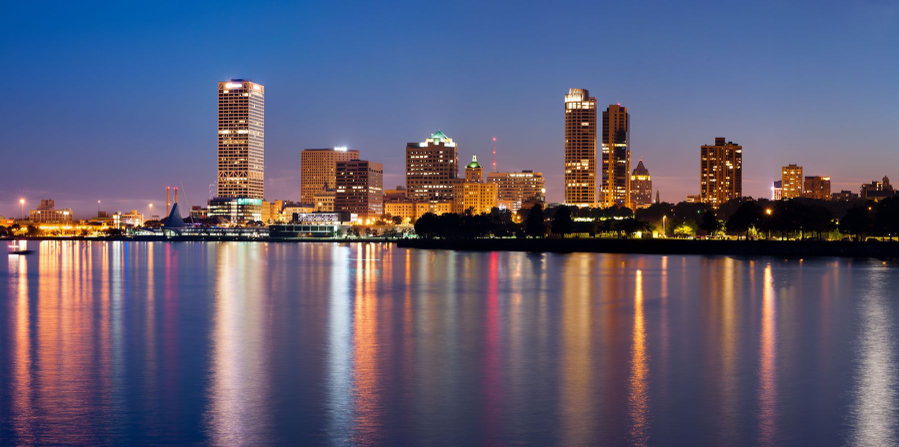
Case Study
Midwest
Learn about Milwaukee’s GSI programs.
Green Infrastructure
Module 2
Module 3
Module 4