Case Study

West Coast
Seattle Public Utilities
Learn about Seattle’s debt financed efficiency and GSI incentive programs.
Conservation & Efficiency
Module navigation
Stormwater runoff from streets, roofs, and paved surfaces can pollute local waterways and exacerbate urban flooding, making effective stormwater management critical for protecting public and environmental health. Green stormwater infrastructure (GSI) offers a distributed, cost-effective approach to managing and treating runoff where it falls. By integrating vegetation, soils, and natural systems, GSI reduces runoff, filters pollutants, improves water quality, and eases strain on centralized sewer systems. Common practices include rain gardens, permeable pavements, green roofs, bioswales, urban trees, and stream or wetland restoration, while also delivering community benefits such as reduced urban heat and expanded green space.
Stormwater management & treatment strategies
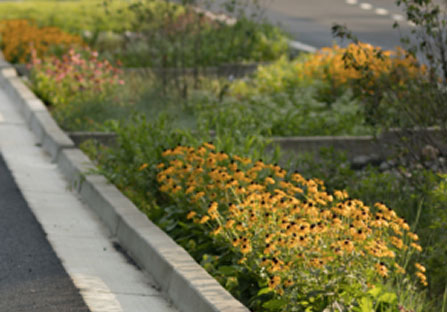
Engineered, vegetated channels that slow, infiltrate, and treat stormwater runoff using soils and plants, filtering pollutants, enhancing groundwater recharge, and managing runoff along roadways, parking lots, and other paved areas.
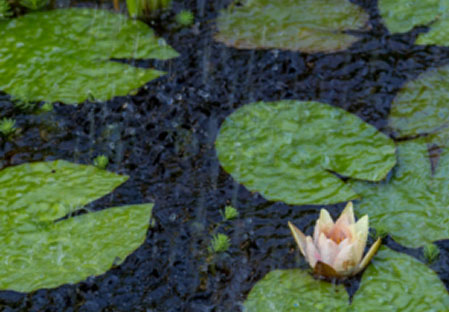
Human-made wetland systems that mimic natural wetlands by using vegetation, soils, and microbial processes to capture and treat stormwater and wastewater, reduce nutrient loads, and improve water quality without relying on chemical treatment.
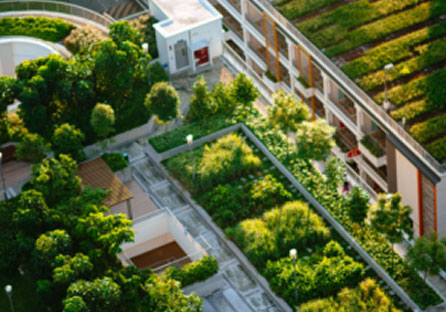
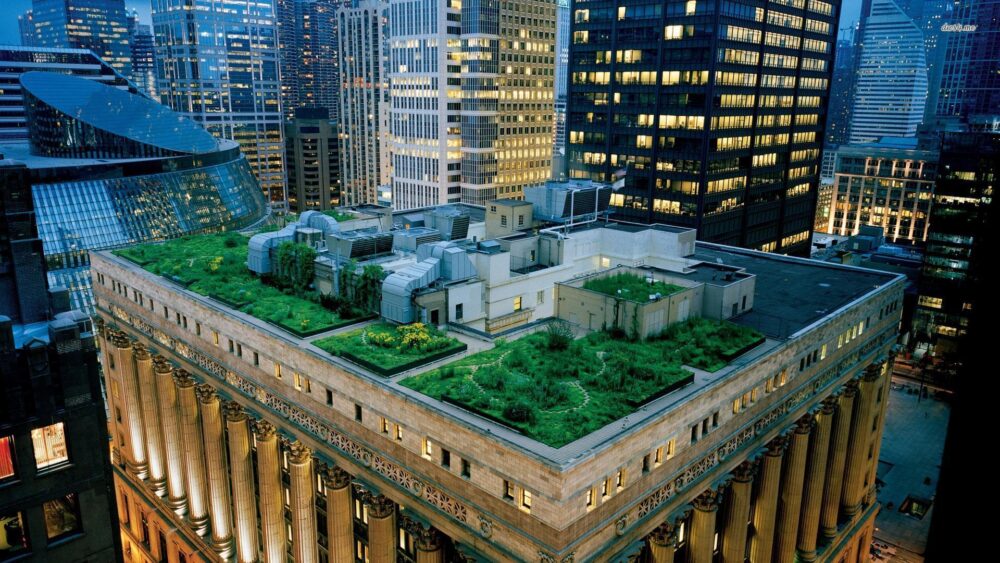
Vegetated roofs that capture and absorb rainfall, reduce stormwater runoff, and delay peak flows while improving building energy efficiency, mitigating urban heat, supporting wildlife and pollinator habitat, and extending roof lifespan by shielding materials from UV and temperature extremes.
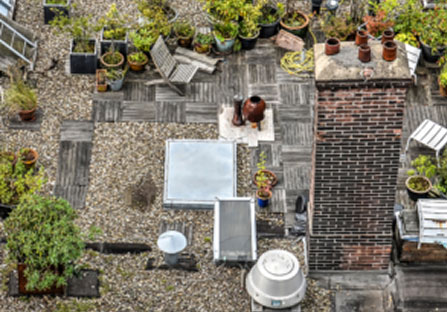
Non-vegetated roof systems that temporarily store stormwater in controlled ponding areas and slowly release it over time, reducing peak runoff rates, easing pressure on drainage systems, and mitigating urban flooding.
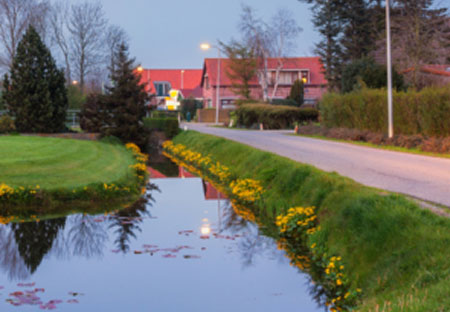
Street designs that integrate vegetation, permeable surfaces, and soil systems to capture, store, infiltrate, and evapotranspire stormwater, reducing runoff, improving water quality, and enhancing urban streetscapes.
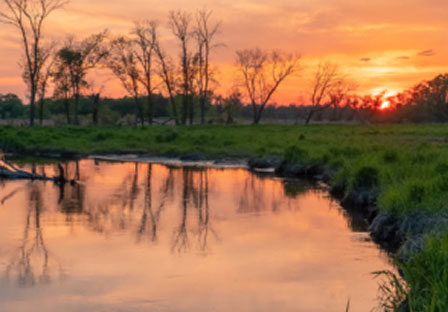
The protection of open spaces, such as wetlands, riparian zones, hilsides, etc., that naturally retain and infiltrate stormwater, support groundwater recharge, reduce runoff, and protect water quality at the source.
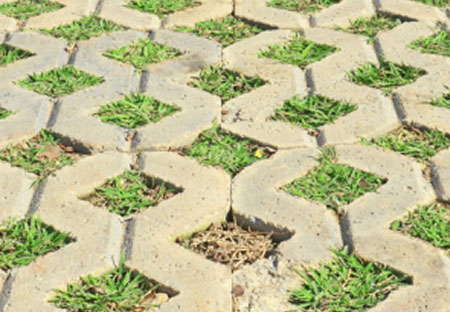
Pavement systems such as permeable pavers or porous concrete that allow stormwater to infiltrate through the surface, reducing runoff, filtering pollutants, easing strain on stormwater systems, and helping mitigate urban heat.
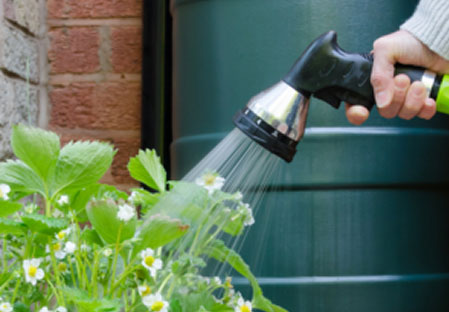
The collection and storage of rainwater from rooftops or other impervious surfaces for non-potable uses such as landscape irrigation, reducing demand on municipal water supplies and helping manage stormwater runoff.
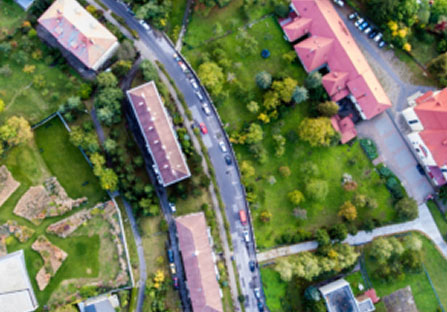
The planting and maintenance of trees that slow and absorb rainfall, increase infiltration, reduce stormwater runoff, mitigate urban heat island effects, improve air quality, and enhance the resilience and livability of urban areas.
Case Study
West Coast
Learn about Seattle’s debt financed efficiency and GSI incentive programs.
Conservation & Efficiency
Report
Mid-Atlantic
Learn about DC Water’s green bonds.
Funding & Financing

Case Study
West Coast
Learn about Eugene’s GSI programs that install strategies on public and private property.
Distributed Infrastructure

Case Study
Mid-Atlantic
Learn about Hoboken’s GSI plan and projects.
Green Infrastructure
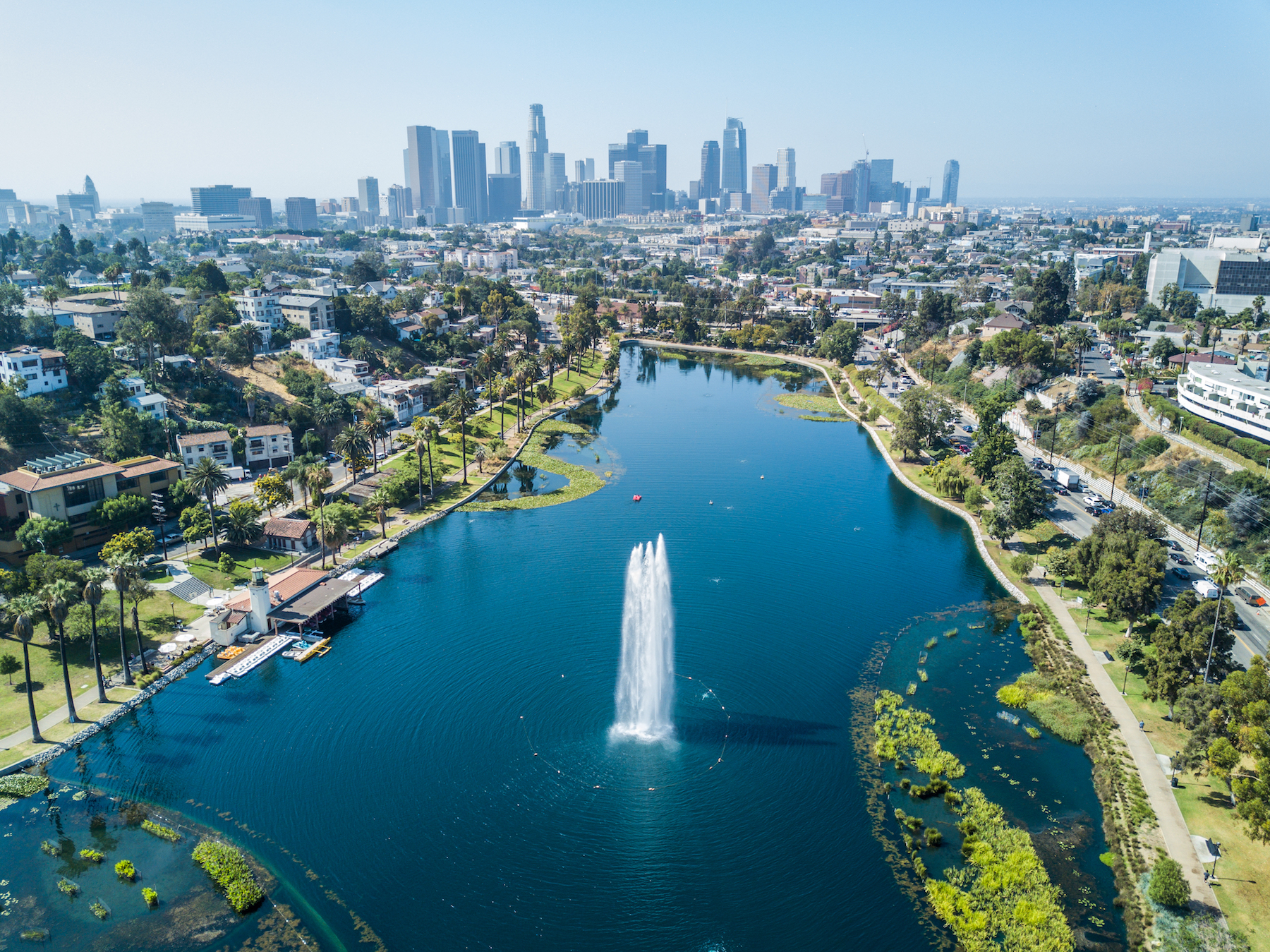
Case Study
West Coast
Learn about LA’s One Water Plan.
Conservation & Efficiency
Module 2
Module 3
Module 4