Direct Installation Programs
Low-income customers rarely participate in rebate programs because upfront costs can be prohibitive. In addition, rebate program requirements can be burdensome for those with constrained time and resources. And renters are often ineligible for incentive programs.
Direct installation programs overcome these challenges. Utilities in a growing number of communities are using direct installation strategies to implement localized water infrastructure solutions:
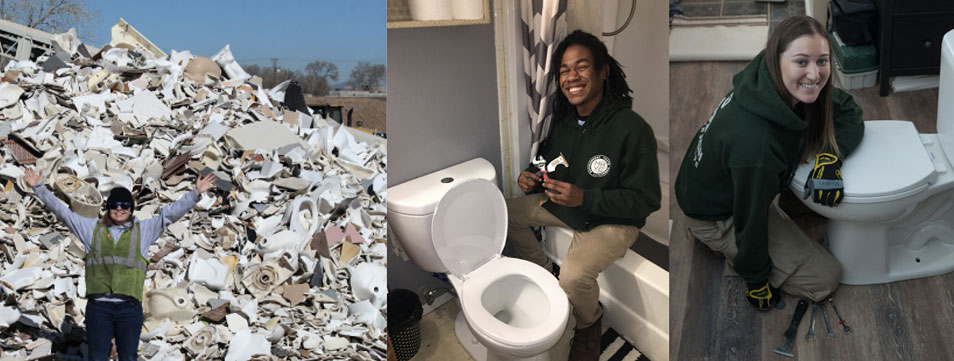
- Seattle Public Utilities has provided 6,800 free toilets to low-income residents since 2001, shrinking water consumption in these homes by 44% from 150 to 85 gallons per capita per day (GPCD), as of 2019.
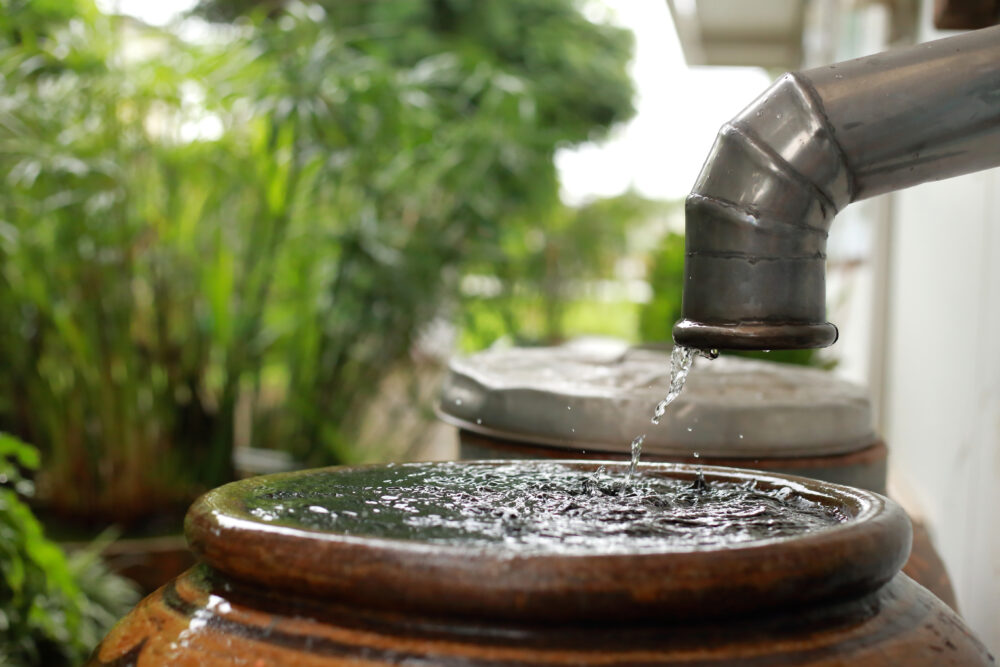
- Tucson Water provides low-income households with free high-efficiency toilets and grants (up to $1,000) and zero-interest loans (up to $2,000) for rainwater harvesting systems. In 10 years, this program resulted in the installation of 53,000 high-efficiency toilets and urinals, as well as 2,000 rainwater harvesting and gray water systems.
- Denver Water has pledged to replace all of the lead service lines on private properties within its service area at no direct cost to customers, prioritizing communities most vulnerable and at-risk from lead exposure.
- Westminster, Colorado, launched a pilot program in 2019 to provide no-cost water fixture upgrades for residents in affordable, multi-family housing. A 48% reduction in indoor water use across 72 residential units saved a participating local housing authority $65,000 on water and sewer bills in the year following its participation.