Distributed Infrastructure Toolkit

DI Toolkit

Module 2

How to Pay for Distributed Infrastructure

State Revolving Fund Loans

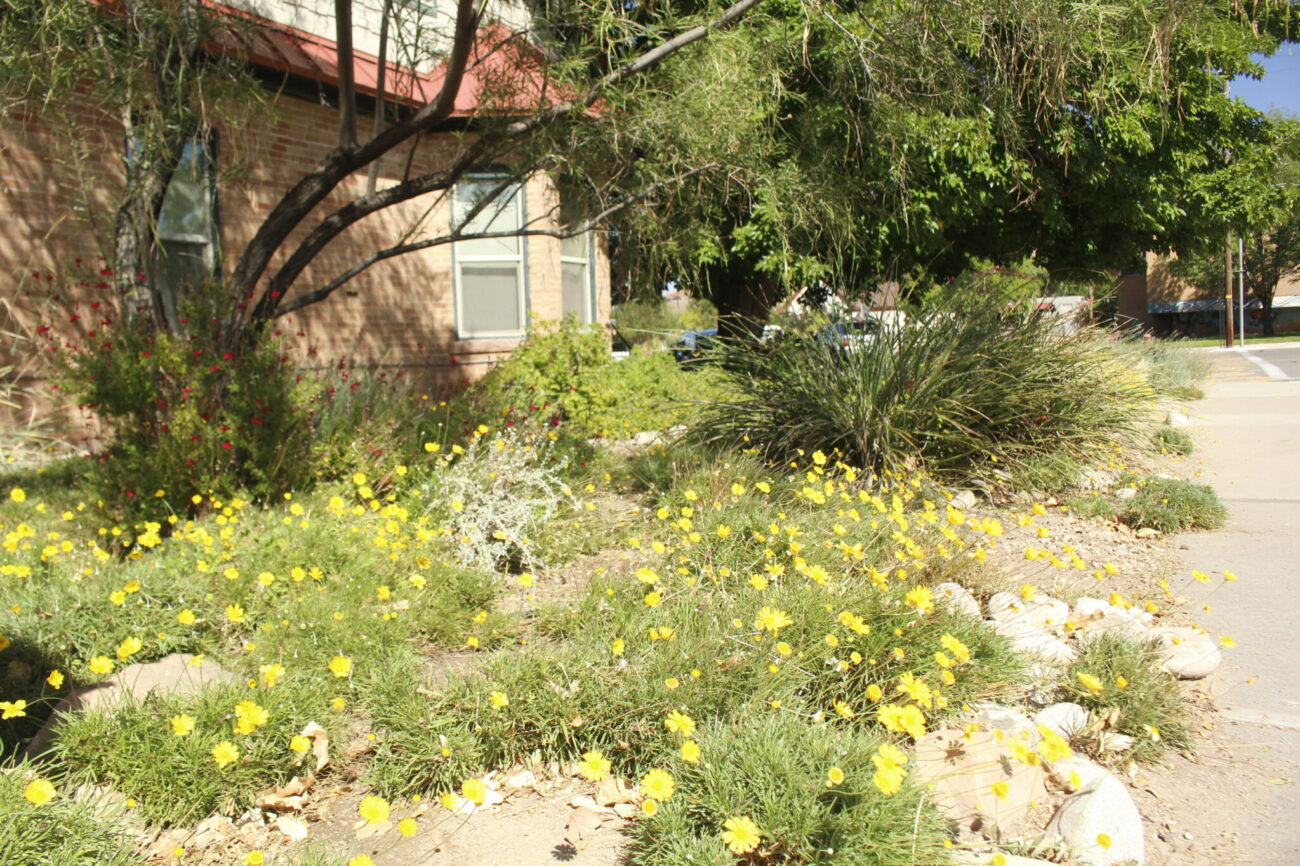
The primary federal opportunity for low cost water infrastructure loans are the State Revolving Funds (SRFs) established by the federal Clean Water Act and Safe Drinking Water ActMost states also allow the SRFs to pay for GSI, efficiency measuresonsite graywater systems, private property lead service line replacements, and other distributed systems in addition to conventional “grey” water infrastructure.
How the SRFs Work

The SRFs are federal/state partnerships where EPA allocates Congressionally authorized funds to the states each year as “capitalization grants.” State SRF programs are authorized to make low interest loans to local water service providers at or lower than market rates.

They establish funding priorities, eligibilities, and loan terms in their annual Intended Use Plans, and cities, towns, and utilities apply for loans in a competitive process. As of 2024, the national Drinking Water SRF average interest rate was 1.47%, and the Clean Water SRF average was 1.9%, both well below the prevailing municipal bond rates. 

Examples of Communities Using SRFs for Distributed Strategies

  • The City of Greeley, Colorado, received $21 million from the SRF to replace lead lines on private property.
  • The City of Lancaster, Pennsylvania received $7 million from the SRF to fund green infrastructure on public and private property.
  • In 2022, MMSD applied for a $36 million loan from the SRF to fund its green infrastructure incentives programs.

100% Forgivable Loans for Lead Service Line Replacements

Under the 2021 Bipartisan Infrastructure Law (BIL), the Drinking Water SRF can provide 100% principal forgiveness loans—the equivalent of a grant—to communities to replace lead service lines. These “free” dollars allocated by the BIL totaled $15 billion with each state receiving a proportionate share. They will expire at the end of 2026.

Green Project Reserve

The Clean Water Act establishes a “Green Project Reserve” that requires all State Clean Water SRF programs to use at least 10% of their annual federal funding for projects that address: 

  • Green infrastructure
  • Water and energy efficiency, or 
  • Other environmentally innovative activities 

WaterNow has programs and resources to help utilities apply for SRF funding for distributed water infrastructure in their communities. Check these out at the links below.

Get Technical Assistance

SRFs, “Add Sub” and Affordability

Both SRFs include provisions to award “Additional Subsidy” to communities applying for SRF loans to address local affordability challenges. The concept is that the “first subsidy” is the below market rate of interest for the SRF loan. The “Additional Subsidy” is a portion of the loan that is converted into principal forgiveness – effectively a grant – or other mechanism to further reduce the cost of the loan. Add Sub is available for communities meeting affordability criteria or “disadvantaged community status” as determined by their State SRF programs. The Clean Water SRF (but not the DWSRF) is also available for communities that do not meet affordability criteria, but are seeking support for projects to meet water or energy efficiency goals or to mitigate stormwater runoff. 

Previous

Municipal Revenue Bonds

Go to Municipal Revenue Bonds

Next

Using Rates and Fees to Pay for Distributed Infrastructure

Go to Using Rates and Fees to Pay for Distributed Infrastructure

Explore more modules