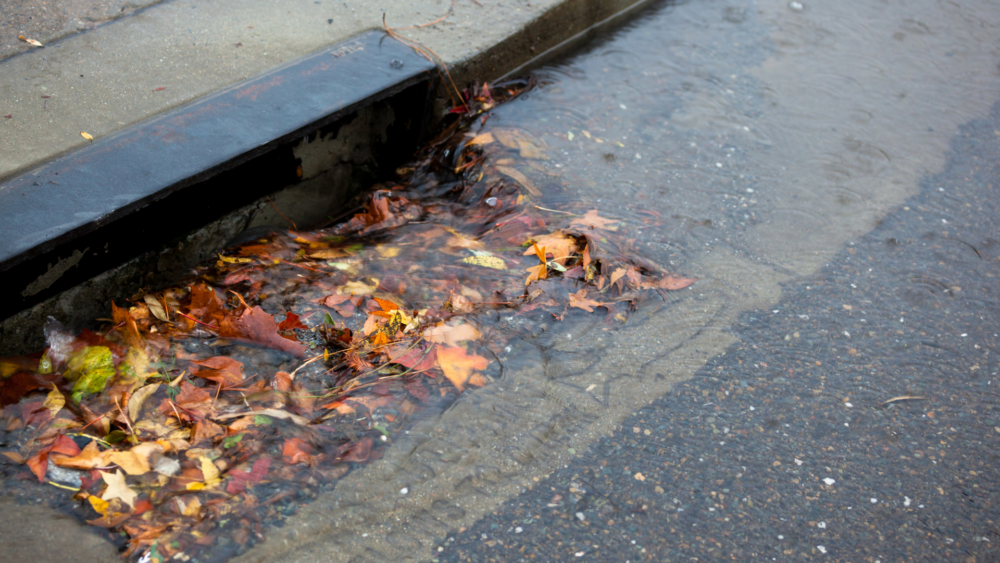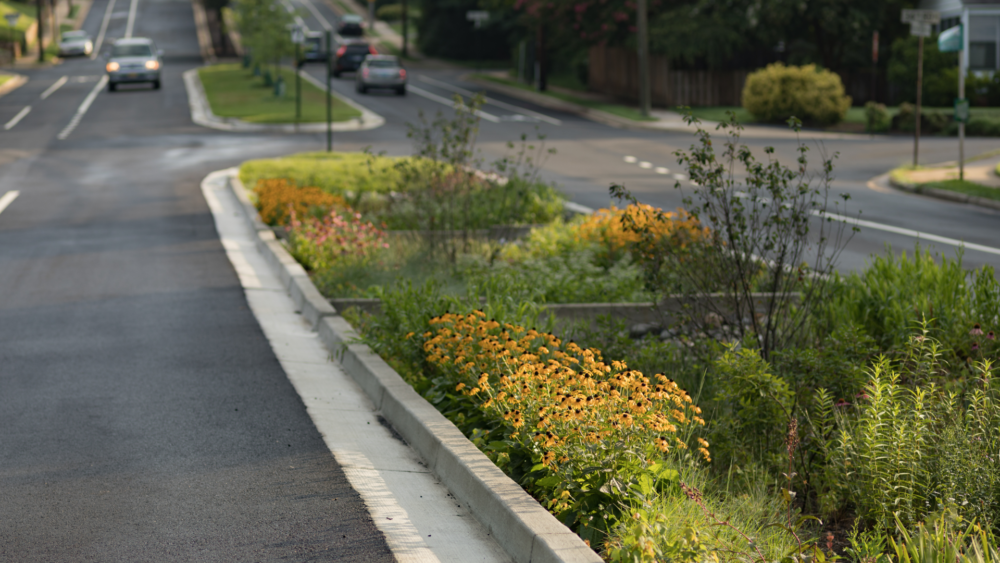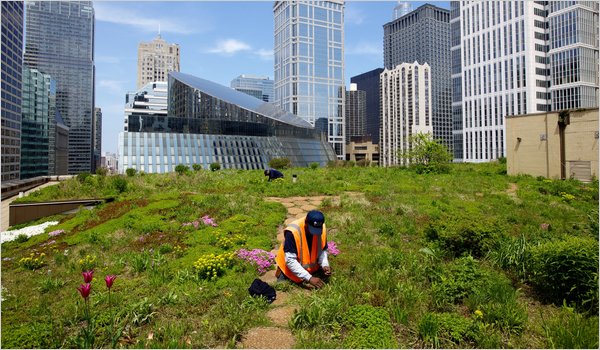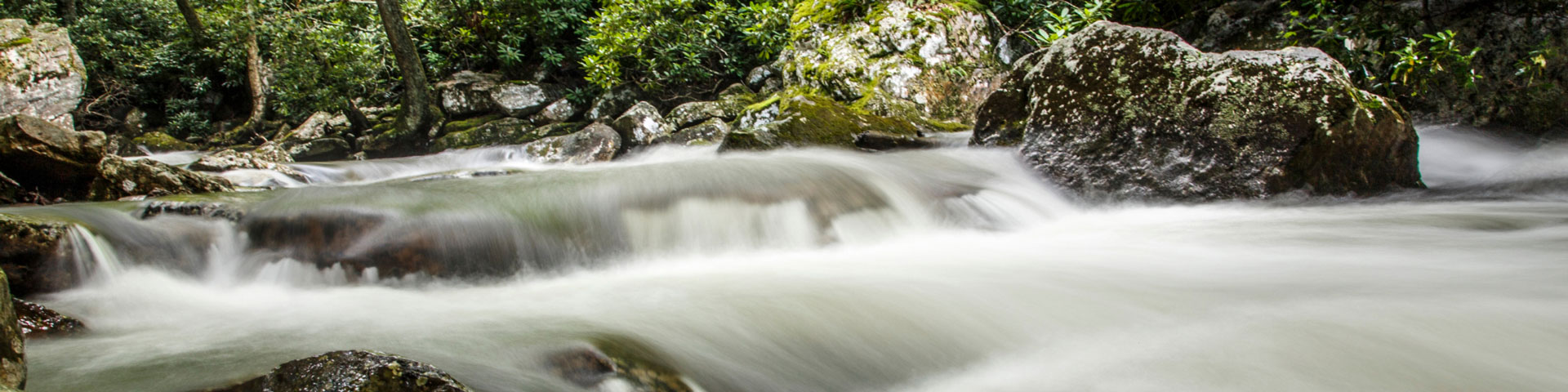
When rain or snow hits the ground, it can pick up pollutants as it flows into storm drains and out into local streams, rivers, and lakes. Green stormwater infrastructure, or GSI, refers to a range of landscape elements and other nature-based, or nature mimicking, strategies designed to capture rainwater where it falls, reducing runoff and treating stormwater at its source. GSI increases infiltration of stormwater to the ground, slowing runoff, and filtering out pollutants.
GSI widely distributed across communities is proving to be efficient and cost-effective to reduce strain on centralized sewer systems and infrastructure, protect surface water quality, minimize pollution caused by overflows, treat runoff, and even use runoff as an alternative water source. GSI also provides multiple community benefits such as:
- Decreased localized flooding
- Improving community aesthetics
- Encouraging more neighbourhood socialization
- Increasing property values
- Providing local workforce development opportunities
- Enhanced urban cooling
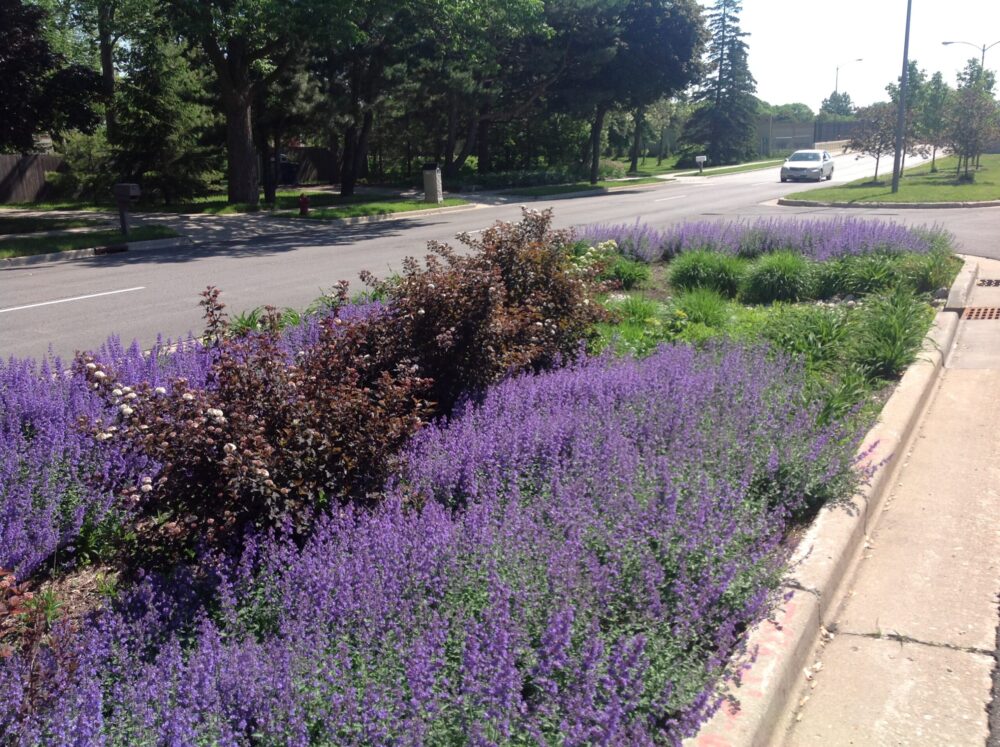
Common GSI strategies include:
- Bioswales
- Rain gardens
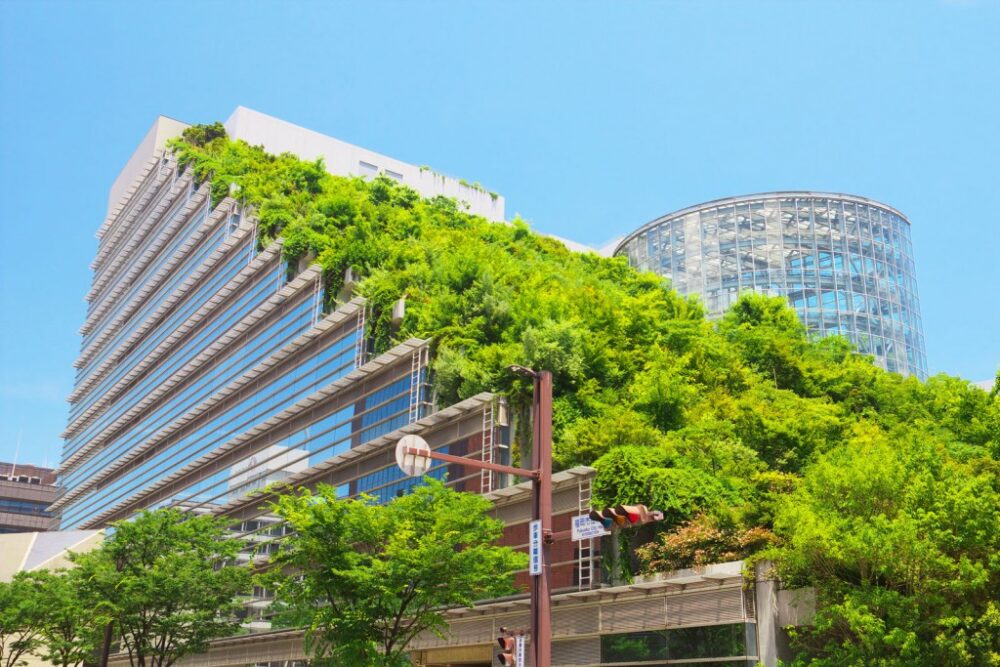
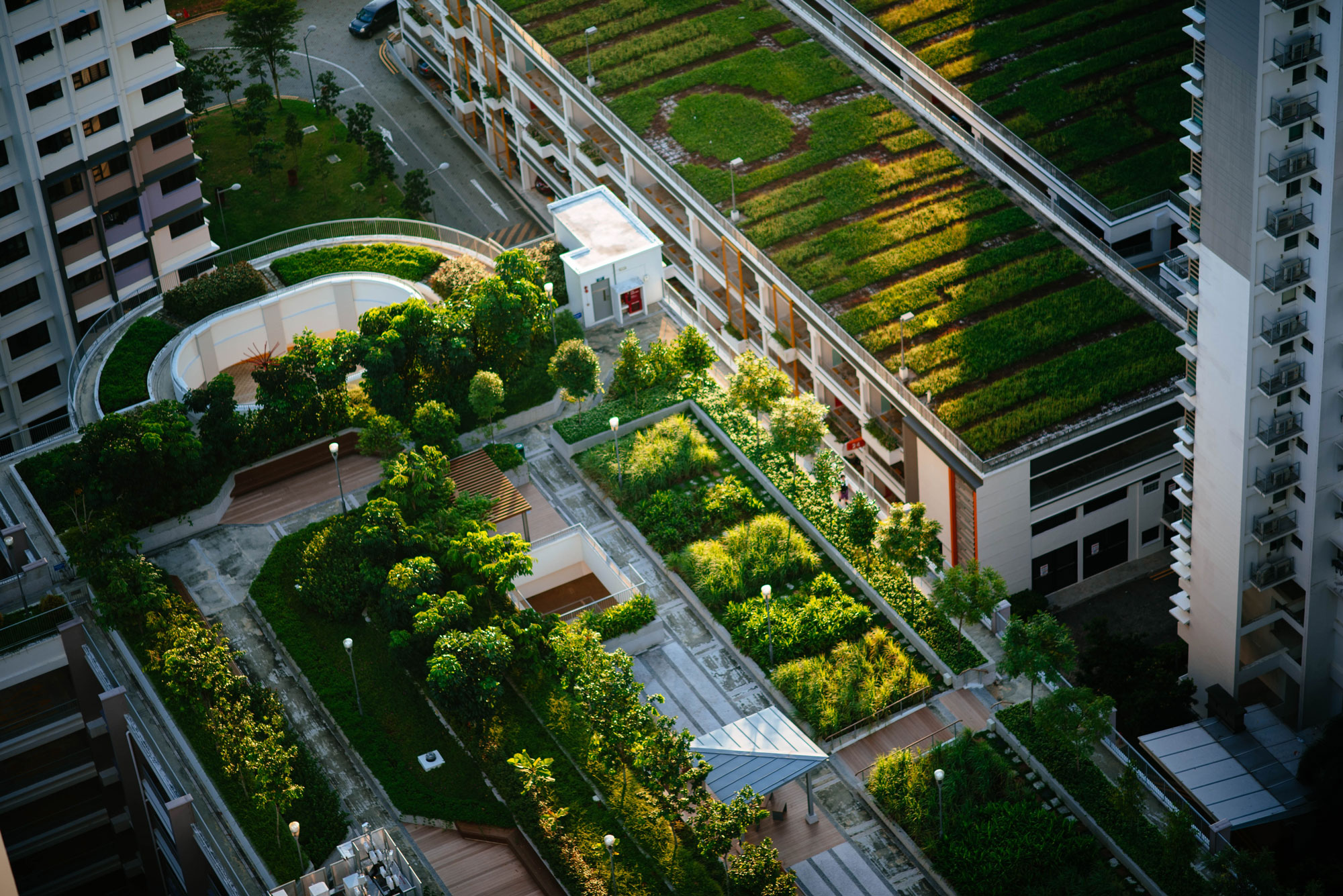
- Green roofs & blue roofs
- Green streets
- Permeable pavements
- Urban trees